
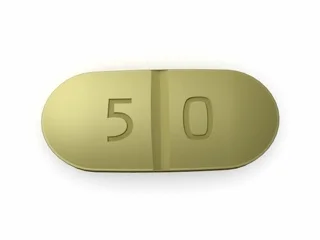
Naltrexone
50mg
Naltrexone tablets help support recovery from alcohol dependence and opioid dependence by blocking opioid effects. It comes in one strength and several pack sizes. Each option lists its price per tablet.
FromUS$4.45/ tabletView
Alcohol dependence is one of the names used for alcohol use disorder, a brain disorder in which a person cannot stop or control drinking despite adverse effects on social life, work or health. Someone may keep drinking through problems at work, arguments at home or worsening health. The condition can be mild, moderate or severe.
50mg
Naltrexone tablets help support recovery from alcohol dependence and opioid dependence by blocking opioid effects. It comes in one strength and several pack sizes. Each option lists its price per tablet.
Drinking more than intended, finding it hard to cut down, and needing larger amounts for the same effect are common. Tremor, anxiety and other withdrawal symptoms can follow when drinking stops.
Coming off alcohol abruptly when dependent can be very dangerous. If withdrawal symptoms appear, get medical help before attempting to stop.
Care usually combines counselling and lifestyle changes with medicine. Naltrexone 50mg tablets reduce the reward that alcohol produces, so drinking feels less pleasurable and cravings ease. The same tablets are used in opioid dependence. Naltrexone is supplied as a generic tablet. Orders are shipped to Malaysia from pharmacy partners in India in discreet packaging.
Last updated