
Attention Deficit Hyperactivity Disorder
ADHD stands for attention deficit hyperactivity disorder. It is a neurodevelopmental condition. The brain works differently from most people, which can affect attention, activity levels and impulse control. Symptoms usually appear before age 12.
Medicine used to treat Attention Deficit Hyperactivity Disorder
Key points
- Inattention, hyperactivity and impulsivity are the main symptom areas; most children have both inattentive and hyperactive-impulsive features.
- Recognition of ADHD may be less common in girls than in boys. Inattentive symptoms can be easier to overlook.
- For children with ADHD, injuries, social difficulty, family strain and weaker school results are more likely.
What ADHD involves
ADHD starts in childhood and can continue into adulthood. It can affect work, relationships and day-to-day organisation. The usual patterns are mainly inattentive, mainly hyperactive-impulsive, or combined. Adults whose ADHD was not diagnosed earlier may describe disorganisation and unfinished tasks rather than visible restlessness.
Treatment and support
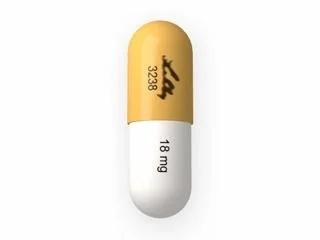
Support can include lifestyle changes, school and home adjustments, talking therapies such as CBT, and medicines started and monitored by an ADHD specialist. Atomoxetine is not a stimulant. It works through noradrenaline signalling, while stimulants act through dopamine. It may be considered when stimulant treatment does not suit. Strattera tablets contain atomoxetine and come in 10mg, 18mg, 25mg and 40mg strengths. Pharmacy partners in India ship orders to Malaysia in discreet packaging.
When to seek help
A formal assessment by a qualified clinician is appropriate when symptoms have a significant effect on daily life or safety.
What the sources say
- Among children, ADHD is one of the disorders diagnosed most often. (NIMH)
- In adolescence and adulthood, ADHD is linked to a greater chance of substance use, unsafe sexual activity, weaker job performance and money difficulties. (NIMH)
- Suicide risk is higher for people with ADHD. A child or young person who is struggling needs urgent mental health support. (NHS)
Further reading
Last updated