
Cryptococcal Meningitis
Cryptococcal meningitis is meningitis caused by the fungus Cryptococcus. It is one form of cryptococcosis, a fungal infection that can involve the meninges, the membranes around the brain and spinal cord. People with a weakened immune system are affected most often, and international guidance addresses adults, adolescents and children living with HIV.
Medicine used to treat Cryptococcal Meningitis
Key points
- Cryptococcal meningitis is caused by a fungus rather than by bacteria.
- Fluconazole is an antifungal medicine with cryptococcal meningitis among its listed uses.
- Cryptococcosis is managed with antifungal treatment, planned and reviewed by a doctor.
What it is and what causes it
Cryptococcus is a fungus, and cryptococcosis is the general name for infection with it. When the meninges are involved, the illness is called cryptococcal meningitis. WHO guidance for adults, adolescents and children living with HIV sets out how cryptococcal disease is diagnosed, prevented and managed, which reflects how closely the infection is linked to reduced immunity.
How it is treated
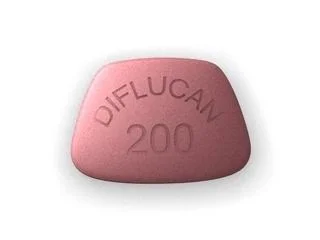
Antifungal medicines are the mainstay of treatment. Fluconazole is an antifungal supplied as Diflucan tablets in 50, 100, 150 and 200mg strengths, and cryptococcal meningitis is one of its listed uses. The same medicine is described on the fluconazole page, and it is also used for candidiasis. Which antifungal is used, and for how long, is decided by the doctor responsible for your care.
Safety and supervision
Fluconazole is a medicine that needs medical supervision. Whether it is suitable for a particular person depends on their medical history and on the other medicines they take, so tell your doctor about everything you use, including anything bought without a prescription. Do not stop or change treatment on your own. Report new or worsening symptoms to your doctor promptly.
When to seek medical help
Suspected meningitis needs urgent medical assessment rather than watching and waiting at home. Once treatment has begun, keep your follow-up appointments so that your response to the antifungal medicine can be checked.
Orders are shipped to Malaysia by pharmacy partners in India in discreet packaging.
Further reading
Last updated