Key points
- The atopic, contact and seborrhoeic forms differ in their triggers, which range from inherited sensitivity to irritants and yeast.
- Topical corticosteroids settle flares; potency is chosen according to the site and how stubborn the inflammation is.
- Moisturising regularly helps restore the skin barrier and can reduce how often flares occur.
Atopic dermatitis, also known as eczema, often runs in families with asthma and hay fever. Heat and humidity can worsen flares. Contact dermatitis follows exposure to an irritant or allergen, such as latex, nickel or an ingredient in a cosmetic. Seborrhoeic dermatitis affects oily areas including the scalp, face and chest, and is often associated with Malassezia yeast.
Symptoms
Affected skin may be red, itchy or swollen. Blisters and weeping can occur during a flare. The site and appearance depend on the type of dermatitis.
Treatment
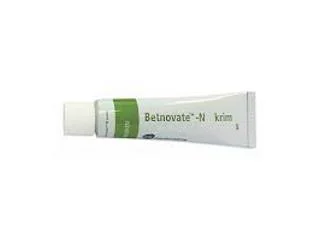
Mild to moderate inflammation is often treated with short courses of a topical corticosteroid. Betamethasone valerate cream 0.1% contains betamethasone, a mid-potency agent that may suit everyday flares. Resistant or severe patches may need a stronger corticosteroid such as clobetasol. If a bacterial infection develops, fusidic acid, often paired with a steroid, clears infection and calms inflammation. Other topical choices sit in the skin care range. Pharmacy partners in India ship orders to Malaysia in discreet packaging.
Everyday care and warning signs
A fragrance-free emollient used several times daily supports the skin barrier. Avoiding personal triggers, choosing breathable fabrics and washing with mild, soap-free cleansers can help. Get medical advice if the rash spreads quickly, looks infected (weeping, crusting or warmth), or does not improve after several weeks of treatment.
Further reading