
Herpes Simplex
Two herpes simplex virus types, HSV-1 and HSV-2, cause this common infection. It spreads mainly through skin-to-skin contact.
Medicines used to treat Herpes Simplex


Key points
- HSV-2 usually causes genital herpes, while HSV-1 is the main cause of cold sores around the mouth.
- Cold sores are small blister-like spots in or around the mouth.
- Antiviral medicines can shorten and ease outbreaks but cannot cure the infection.
Reactivation and triggers
Once the first infection has passed, HSV remains inactive in nerve tissue and may become active again. Possible triggers include illness, fever, stress, immune suppression, hormonal changes and sunlight.
Symptoms
Painful blisters or ulcers can appear in or around the mouth or on the genitals. Genital outbreaks may cause discomfort when urinating.
Treatment options
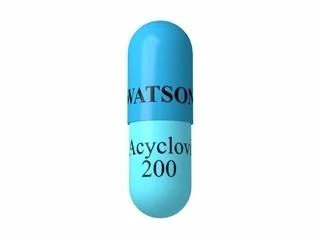
Antiviral treatment can make outbreaks less severe and shorter. Options include Aciclovir tablets, containing aciclovir, Famvir tablets, containing famciclovir, and Valtrex tablets, containing valaciclovir. Famciclovir and valaciclovir are processed more efficiently by the body, which can mean fewer doses each day. For frequent recurrences, continuous daily therapy can reduce flare-ups and make transmission to partners less likely. Treatment for recurrent episodes is most effective when started within 48 hours of symptoms beginning. Pharmacy partners in India ship orders to Malaysia in discreet packaging.
Safety and when to seek help
Cold sores close to the eye need urgent medical care because they can cause serious complications. A newborn with infection needs a doctor’s care. People who are immunocompromised should see a doctor for any outbreak. Sores that are severe or spreading need prompt medical review.
What the sources say
- WHO estimates that 3.8 billion people under 50, or 64% globally, are infected with HSV-1, which mainly causes oral herpes. (WHO)
- Cold sores begin with itching and tingling, then form small, painful, fluid-filled blisters that usually crust over and heal within a few days. (Healthdirect)
- Neonatal herpes is rare, at about 10 cases per 100,000 births globally, but can cause lasting neurological disability or death. (WHO)
Further reading
Last updated