
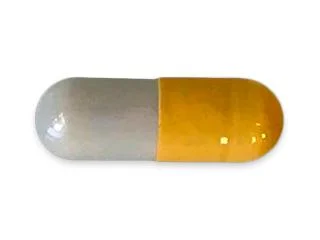
Oseltamivir
75mg
Oseltamivir is an antiviral capsule for treating and preventing influenza. It is supplied in one strength and several pack sizes. You see the price per capsule for each option.
FromUS$2.92/ tabletView
Influenza A and B viruses cause the illness known as flu. It passes readily between people in crowded settings. In temperate climates cases cluster in winter, while tropical areas may see it at any time of year. The onset is usually sudden.
75mg
Oseltamivir is an antiviral capsule for treating and preventing influenza. It is supplied in one strength and several pack sizes. You see the price per capsule for each option.
Influenza is an infection of the airways that spreads easily from person to person, particularly in crowded places. Influenza A and B are the viruses responsible. In temperate parts of the world it is mainly a winter illness; near the equator it can circulate throughout the year.
Expect a sudden start. A temperature above 38 C, shivering, sore muscles, headache and a dry cough are common, and tiredness may be strong enough to confine someone to bed for days. A sore throat and runny nose can occur too. Children more often have stomach upset with vomiting and diarrhoea. Most people otherwise in good health are back to normal after one or two weeks.
Antiviral treatment is most useful when it begins early. Oseltamivir can shorten the illness and make it less severe. It blocks neuraminidase, an enzyme the virus needs in order to move from one cell to another. The tablet is supplied as 75mg (Oseltamivir). Alongside Antivirals, rest, plenty of fluids and paracetamol or ibuprofen for fever and pain support recovery. Orders reach Malaysia from pharmacy partners in India in discreet packaging.
Get medical help quickly if breathing becomes difficult, if there is chest pain, a high fever that persists, confusion, or bluish lips or skin. These signs can point to serious complications, including pneumonia.
Last updated