
Menopausal Flushing
A menopausal flush, also called a hot flush or hot flash, is a sudden wave of heat that spreads across the face, neck and chest. It is one of the most common symptoms of menopause. For some women, flushes carry on for years after their periods stop.
Medicine used to treat Menopausal Flushing
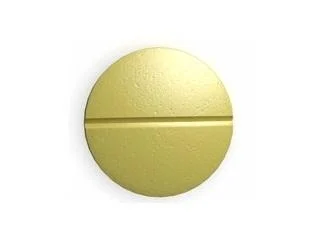
Key points
- A single episode may last from a few seconds to several minutes.
- Sweating, skin redness and a quickened pulse often come with the heat.
- Falling oestrogen is thought to unsettle temperature control in the hypothalamus, which sets off the flush.
How flushing is treated
Non-hormonal treatment is an option when hormonal treatment is unsuitable. Clonidine 0.1mg tablets calm the nerve signals that cause blood vessels to widen, which can reduce how often flushes happen and how strong they feel. The same ingredient is used in heart and blood pressure care and in migraine prophylaxis, and the clonidine ingredient page describes it further.
Easing the heat day to day
Keep rooms cool, choose natural fabrics, cut back on caffeine and alcohol, and try slow breathing when a flush begins. These measures work alongside medical treatment rather than replacing it.
Pharmacy partners in India ship orders to Malaysia in discreet packaging.
When to see a doctor
Speak to a doctor if flushes are frequent, persistent or getting in the way of daily life. A doctor can say whether hormonal treatment suits you, and whether a non-hormonal medicine such as clonidine is a reasonable choice.
Further reading
Last updated