
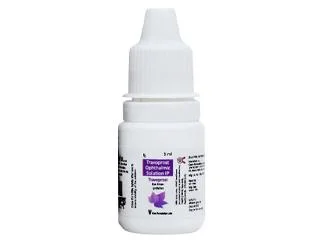
Travoprost
0.004%
Travoprost eye drops lower pressure inside the eye in open-angle glaucoma and ocular hypertension. This prostaglandin comes in one strength in a bottle. You see the price per bottle for each option.
FromUS$25.50/ bottleView
Open-angle glaucoma damages the optic nerve and can lead to vision loss and blindness. Fluid builds up inside the eye, raising intraocular pressure. The early stages are usually painless.
0.004%
Travoprost eye drops lower pressure inside the eye in open-angle glaucoma and ocular hypertension. This prostaglandin comes in one strength in a bottle. You see the price per bottle for each option.
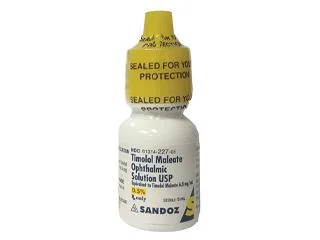
0.5%
Timolol eye drops lower pressure in open-angle glaucoma and ocular hypertension. The bottle is supplied in a single strength, pack sizes vary. You see the price per bottle for each option.
Vision loss generally starts with side vision, especially the area closest to the nose. Changes can be slow, and side vision may fade before central vision is affected. Blurred edges or tunnel vision may appear only after substantial nerve fibre loss.
Lowering eye pressure is the main aim. Eye drops can lower fluid production or help drainage, and they are usually the first approach. Laser treatment can improve fluid drainage, and surgery may be used when drops and laser are not enough. Travoprost 0.004% (product; ingredient page) and timolol 0.5% (product; ingredient page) are eye drops in bottles, used for open-angle glaucoma and ocular hypertension. Timolol reduces the amount of fluid produced inside the eye. Pharmacy partners in India ship orders to Malaysia in discreet packaging.
Severe eye pain that comes on suddenly, nausea, blurred vision or halos around lights need urgent assessment. They can signal acute angle-closure glaucoma, a different condition that needs same-day care. Regular pressure checks matter for people aged over 40 and for those with glaucoma in the family.
Last updated