
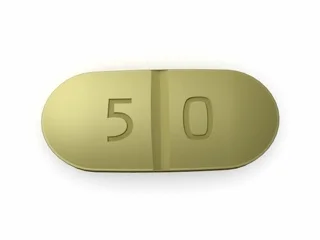
Naltrexone
50mg
Naltrexone tablets help support recovery from alcohol dependence and opioid dependence by blocking opioid effects. It comes in one strength and several pack sizes. Each option lists its price per tablet.
FromUS$4.45/ tabletView
Opioid dependence develops when repeated exposure to opioids changes how the brain works. Mood, pain and motivation become tied to the drug, and stopping is hard. Dependence is a long-term medical condition that can be treated.
50mg
Naltrexone tablets help support recovery from alcohol dependence and opioid dependence by blocking opioid effects. It comes in one strength and several pack sizes. Each option lists its price per tablet.
Heroin, opioid painkillers and synthetic opioids all act on the body’s opioid receptors. Regular use over time is what leads to dependence, which is why it is managed as an illness.
Naltrexone occupies opioid receptors, so taking an opioid brings no reward. That reduces the risk of relapse and supports maintenance for people who are motivated to continue. Naltrexone is used with counselling and peer support. Addiction recovery programmes that pair medicine with behavioural therapy tend to work better than either element alone. Tablets ship to Malaysia from pharmacy partners in India in discreet packaging.
Someone in crisis should contact emergency services or a mental health helpline straight away.
Last updated