
Pruritus
Pruritus is the medical word for itch: an unpleasant sensation that makes a person want to scratch. Short episodes are common, but itching that continues, covers a wide area, or appears without a visible rash may need assessment. It may be linked to a skin disorder, a systemic illness, a medicine reaction or a nerve problem, and sometimes no cause is found.
Medicine used to treat Pruritus
Key points
- Persistent or widespread itch without a clear rash can have a skin, systemic or nerve-related cause, rather than only dry skin.
- Allergy-linked itch may be treated with an antihistamine such as hydroxyzine, while liver-related itch may respond to a bile-acid binder such as colestyramine.
- Itch lasting longer than six weeks, or itch with weight loss, night sweats or jaundice, needs medical assessment.
What pruritus is
The main symptom is an urge to scratch. It may be widespread or limited, and a visible rash may be absent. Pruritus can be short-lived, but persistent itching is the reason it becomes a clinical concern.
Causes and triggers
Skin disorders are one route, and allergic reactions are common triggers; urticaria, atopic dermatitis and contact allergy can all produce itch. Systemic disease is another route: cholestatic itch arises when bile salts accumulate in liver disease, and chronic kidney disease, thyroid disorders and haematological conditions can also contribute. Drug reactions and nerve problems are further causes, and in some cases no cause is identified.
Treatment options
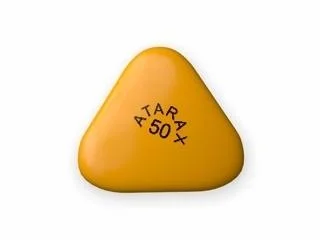
Treatment depends on the cause. For itch linked to allergy, hydroxyzine is an antihistamine used for urticaria, pruritus and anxiety. Atarax tablets contain hydroxyzine and come in 10 mg and 25 mg strengths. Liver-related itch follows a different path: bile-acid sequestrants such as colestyramine bind bile in the gut and reduce the itch signal. Orders are shipped from pharmacy partners in India to Malaysia in discreet packaging.
When to get checked
Medical assessment is needed if itching continues beyond six weeks, if no skin cause is visible, or if there is jaundice, abnormal urine colour, night sweats or weight loss. Such signs may indicate an underlying systemic illness, so diagnosis is needed before treatment is chosen.
Further reading
Last updated