
Smoking Cessation
Smoking cessation is the planned process of giving up tobacco. Nicotine changes brain chemistry over time, so the early weeks are uncomfortable and willpower alone rarely carries a quit attempt to the end. Structured support combines advice, professional guidance and medicines over the first few months.
Medicine used to treat Smoking Cessation
Key points
- Withdrawal effects such as irritability, cravings, poor concentration and disturbed sleep usually peak in the first two weeks and settle after about a month.
- Finishing a course of treatment raises the odds of quitting compared with stopping it early.
- Quitting calls for work on the physical, mental and social sides of dependence, including stress management and relapse prevention.
How tobacco dependence works
Each cigarette delivers nicotine, which attaches to receptors in the brain’s reward pathway and triggers dopamine release. Over time the brain expects that signal and produces less dopamine without it. Smoking also becomes tied to routine and social situations, so some triggers outlast the physical withdrawal.
Support and medicines
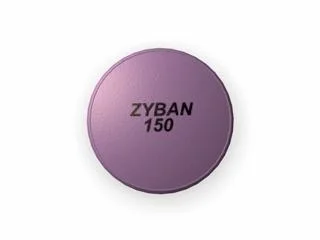
Support sessions, one-to-one or in a group, cover why you smoke, previous quit attempts and a quit date, and may include a breath test for carbon monoxide. Bupropion was first used as an antidepressant; it lowers cravings and helps with the low mood that can come with withdrawal. Zyban 150mg tablets contain bupropion, and treatments for dependence sit within the addiction recovery range.
When to get help
Cravings can be strong enough to end a quit attempt, and support services provide an emergency number for out-of-hours times. Speak to a doctor or pharmacist if withdrawal is hard to manage. Orders are shipped to Malaysia from pharmacy partners in India in discreet packaging.
What the sources say
- Stop smoking services are free and can improve the chances of quitting for good (NHS).
- The Freedom From Smoking programme reports a 57 per cent quit rate at six months when combined with an FDA-approved cessation medicine (American Lung Association).
Further reading
Last updated