Key points
- Tablets begin to act within 30–60 minutes and last 8–12 hours.
- The terminal half-life is about 2.8 hours with normal kidney function and lengthens to 8.7 hours in severe renal impairment.
- Certain formulations are used repeatedly to control bleeding in haemophilia or von Willebrand’s disease.
What it is used for
In central diabetes insipidus, desmopressin is indicated for adults and children aged 4 years and older. It is also used for bedwetting and nocturnal enuresis.
How it works
Desmopressin acts on the kidneys in place of natural antidiuretic hormone. Water reabsorption increases, so urine volume and frequency fall. Internal fluid levels remain stable during this effect.
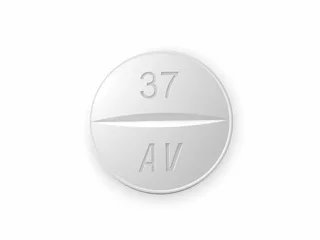
DDAVP tablets contain desmopressin in a 200mcg strength. Pharmacy partners in India ship orders to Malaysia in discreet packaging.
Safety and monitoring
Desmopressin is contraindicated in hypersensitivity to desmopressin, habitual polydipsia, heart failure and hyponatraemia. Do not force fluids; drink only to satisfy thirst and keep intake low. Check weight regularly. If weight rises steadily, or serum sodium falls below 130mmol/l or plasma osmolality below 270mOsm/kg, fluid intake must be reduced sharply and treatment interrupted. Headache, nausea and abdominal pain can occur; hyponatraemia and dizziness are moderate effects. Water intoxication with hyponatraemia can be fatal unless properly diagnosed and treated. Convulsions and severe water intoxication need immediate medical attention, and severe headache or confusion should be reported. Tricyclic antidepressants and carbamazepine interact with desmopressin. The label also names SSRIs, chlorpromazine, opiate analgesics, NSAIDs, lamotrigine and oxybutynin as needing more frequent serum sodium monitoring. Pregnancy: use only if clearly needed after medical assessment. Breastfeeding: consult a physician before use as data is limited.
What the sources say
- The DailyMed entry for the nasal spray states it is not indicated for nephrogenic diabetes insipidus, primary nocturnal enuresis or a compromised intranasal route. (DailyMed)
- Long-term nasal spray use may cause nasal mucosa abnormalities such as scarring and oedema, which can make absorption erratic, and the label advises avoiding the spray in affected patients. (DailyMed)
- The summary of product characteristics says fluid-overload precautions are needed in fluid or electrolyte imbalance, risk of raised intracranial pressure, reduced renal function or cardiovascular disease, and during diuretic treatment. (DDAVP/Desmopressin Injection)
Further reading