
Fexofenadine
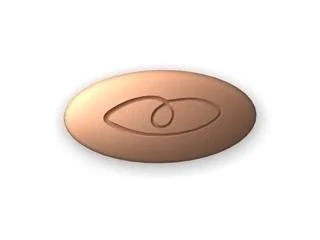
Fexofenadine is an antihistamine taken by mouth for allergic rhinitis and urticaria. It eases the sneezing, itching and swelling that histamine brings on. The medicine is supplied as a film-coated tablet.
Medicine containing Fexofenadine
Key points
- Fexofenadine is a selective H1-receptor antagonist and belongs to the second-generation antihistamine class.
- Relief begins about an hour after a dose and is maintained for around 24 hours.
- It is not recommended for children under 12.
What it is used for
Two conditions are treated with fexofenadine. Allergic rhinitis covers the nasal and eye symptoms that follow breathing in pollen or other airborne allergens: sneezing, congestion, and eyes that itch and water. Urticaria, better known as hives, is the other. It appears as itchy welts or rashes on the skin that rise and later fade. One shows mainly in the nose and eyes, the other on the skin. In both, fexofenadine acts on the histamine side of the reaction rather than on the allergen itself, so symptoms settle while the trigger is still present.
How it works
An allergen prompts the body to release histamine, which attaches to H1 receptors in the tissues. That binding is what produces the itching, redness and inflammation of an allergic reaction. Fexofenadine occupies the same receptors at both central and peripheral sites, so histamine finds no free site to attach to and the cascade is interrupted at the cellular level. The medicine does not readily pass into the brain, so symptoms are eased without the sedation that older antihistamines tend to cause.
Forms and brands
Allegra is a fexofenadine product sold as a film-coated tablet in 120 mg and 180 mg strengths, with the same active ingredient in each. Tablets are coated to make them easier to swallow. Fexofenadine is also marketed under other brand names, including Telfast. Pharmacy partners in India ship orders to Malaysia in discreet packaging.
Before you take it
Fexofenadine should not be used by anyone with a hypersensitivity to it. Confirm that you have no known allergy to the ingredients listed on the pack. Fexofenadine is cleared by the kidneys, so speak to a medical provider first if you have kidney concerns. Those who are pregnant or breastfeeding should consult a healthcare provider. Read the patient information leaflet supplied with the product before use; it sets out the contraindications, interactions and reactions that apply to that product.
Side effects and interactions
Most people tolerate fexofenadine well, and it is generally non-sedating, though caution is advised. Headache, drowsiness and nausea are the minor reactions usually reported, and dizziness or fatigue can also occur. Anaphylaxis, angioedema and chest tightness are serious reactions and need immediate medical attention.
Fruit juices can lower how much of the medicine is absorbed, so a tablet should not be taken with juice. Grapefruit juice is named as an interaction, and aluminium-containing antacids are another. If a reaction persists or seems severe, stop taking the medicine and seek medical guidance.
Further reading
Last updated