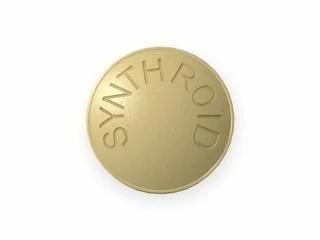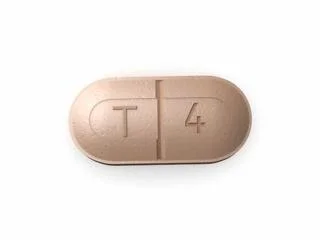
Levothroid
Hypothyroidism
25 · 50mcg
Levothroid is a levothyroxine tablet for hypothyroidism and thyroid-stimulating hormone suppression. You can compare the price per tablet across options.
FromUS$0.15/ tabletView
Levothyroxine is a synthetic form of thyroxine (T4), one of the two hormones the thyroid gland depends on for its main activity, the other being tri-iodothyronine (T3). It is taken as a tablet to replace hormone that the gland is not producing in sufficient amounts, and it is also used to bring thyroid-stimulating hormone (TSH) down when that is the aim of treatment. Full effect builds over 2 to 4 weeks, and thyroid function tests guide the dose.
Hypothyroidism
25 · 50mcg
Levothroid is a levothyroxine tablet for hypothyroidism and thyroid-stimulating hormone suppression. You can compare the price per tablet across options.
The main use is Hypothyroidism, where an underactive thyroid leaves the body unable to regulate metabolism properly. A second use is Thyroid-stimulating Hormone Suppression, where the aim is a lower TSH level rather than symptom relief alone.
The body handles levothyroxine much as it handles its own thyroxine. Within cells it is converted to triiodothyronine (T3), the active form, which restores metabolic activity where production falls short. A dose works for roughly 24 hours, while the benefit of steady treatment takes 2 to 4 weeks to establish. Heart rate, body temperature, bone metabolism and the processing of nutrients all rely on consistent hormone levels of this kind.
Both products below are levothyroxine tablets. Levothroid is available in 25 and 50 mcg strengths; Synthroid comes in 25, 50, 75, 100, 125 and 200 mcg. Each is listed for hypothyroidism and for thyroid-stimulating hormone suppression. Other thyroid medicines sit in Thyroid Health.
Orders are prepared by pharmacy partners in India and shipped to Malaysia in discreet packaging.
Levothyroxine is not for people with untreated thyrotoxicosis or adrenal insufficiency. Thyroid function tests should be monitored regularly, and the medicine may interact with diabetes medicines, so the two treatments may need reviewing together.
Thyroid hormones are not a treatment for obesity or weight loss. In people with normal thyroid function, doses within the range of daily hormonal requirements do not reduce weight, and larger doses can cause serious or life-threatening toxicity, particularly alongside sympathomimetic amines such as those used for their anorectic effects.
It is safe for all ages when dosed correctly. During pregnancy it is essential; for breastfeeding, suitability should be confirmed with a qualified clinician or pharmacist beforehand.
Palpitations, weight loss and tremor are the minor effects. Tachycardia, anxiety and insomnia are moderate. Myocardial infarction and arrhythmia are serious and need immediate medical attention.
Too much or too little treatment can affect growth and development, cardiovascular function, bone metabolism, reproductive and cognitive function, gastrointestinal function, and glucose and lipid metabolism. In children with congenital or acquired hypothyroidism, undertreatment can harm cognitive development and linear growth, while overtreatment is linked to craniosynostosis and accelerated bone age.
Calcium carbonate, iron supplements and antacids interact with levothyroxine.
Last updated