
Bacterial Infection
Bacterial infections are illnesses caused by the minority of bacteria that are harmful to people. Most bacteria living in and on the body are useful or neutral. Infections can develop at many sites, including the throat, lungs, skin and bowel, and antibiotics are what treat the serious ones.
Medicines used to treat Bacterial Infection

Clarithromycin
250 · 500mg
Clarithromycin tablets contain clarithromycin for bacterial infection, including chest, sinus, throat and skin infections. They come in several strengths and pack sizes. You can compare the price per tablet across options.


Doxycycline
100mg
Doxycycline tablets contain doxycycline and are used for acne vulgaris, bacterial infection and malaria prophylaxis. One strength and several pack sizes comes. You see the price per tablet for each option.
Key points
- Symptoms commonly include fever, fatigue and a general sense of being unwell, alongside effects at the site of infection.
- Antibiotics kill bacteria or stop them multiplying, which helps the immune system clear the infection.
- Antibiotics do not act on viruses, parasites or fungi, so they are not the answer to every infection.
What causes it
Harmful bacteria enter the body and multiply faster than the immune system can contain them. Different species settle in different tissues, so throat, lung, skin and bowel infections are a group of illnesses with a shared cause rather than a single disease.
Symptoms
Signs vary with the part of the body affected, which is why a chest infection and a skin infection look so different. Fever, tiredness and feeling generally unwell are common across them.
How it is treated
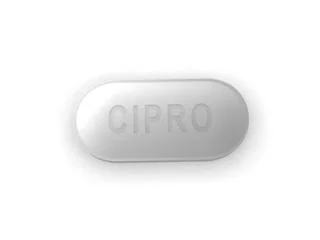
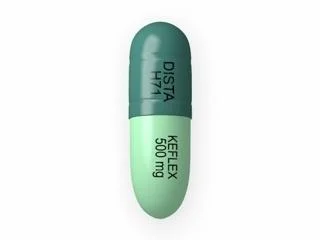
Antibiotics are the main treatment, chosen according to the bacteria involved and the site of infection. Options include Cenmox (amoxicillin) tablets in 250 and 500 mg, Amoxil capsules in 250, 500, 625 and 1000 mg, Keflex (cephalexin) 250 and 500 mg tablets, Cipro (ciprofloxacin) in 250, 500, 750 and 1000 mg tablets, Clarithromycin 250 and 500 mg tablets, and Doxycycline 100 mg tablets. The wider antibiotics range covers other common bacterial conditions. Partners in India ship orders to Malaysia in discreet packaging.
When to see a doctor
Prompt assessment matters when symptoms are severe or getting worse. Severe infections can be dangerous, particularly for people with a weaker immune system or where the bacteria resist treatment.
What the sources say
- Different types of bacteria can affect many parts of the body, including the skin, lungs and throat (Healthdirect).
- Misuse of antibiotics can lead to resistance, so they are not appropriate for every infection (Healthdirect).
- Harmless bacteria live on the skin and in the gut, where they help with digestion and support overall health (Healthdirect).
Further reading
Last updated