
Ciprofloxacin
Ciprofloxacin is a fluoroquinolone antibiotic. It is produced as oral tablets and as a 0.3% eye drop solution, so it can treat infections inside the body and infections at the surface of the eye. Both forms work by stopping bacteria from multiplying.
Medicines containing Ciprofloxacin
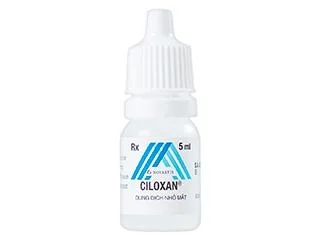
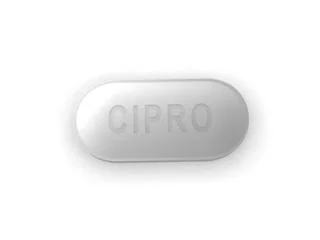
Cipro
Bacterial Infection, Urinary Tract Infection
250 · 500 · 750 · 1000mg
Cipro tablets contain ciprofloxacin for bacterial infection, urinary tract infection, respiratory tract infection and gastrointestinal infection. Several strengths and pack sizes exist. Each option lists its price per tablet.
Key points
- Ciprofloxacin is supplied as Ciloxan 0.3% eye drops in a bottle and as Cipro tablets in 250, 500, 750 and 1000mg strengths.
- In people with normal kidney function, the serum elimination half-life is around four hours.
- Ciprofloxacin is not for use in neonates.
What ciprofloxacin is used for
Cipro tablets are used for bacterial infection, including urinary tract infection, respiratory tract infection and gastrointestinal infection.
Ciloxan 0.3% eye drops are used for conjunctivitis and corneal ulcer.
How it works
Ciprofloxacin inhibits DNA gyrase and topoisomerase IV, two enzymes that bacteria depend on. Before a bacterium can divide, it has to separate and copy its DNA; blocking these enzymes interrupts DNA replication and bacterial cell division. With multiplication halted, the immune system has a better chance of clearing the infection.
Forms and brands
Cipro tablets are made in four strengths: 250mg, 500mg, 750mg and 1000mg. Ciloxan is a 0.3% solution in a bottle, placed directly into the eye.
The tablet carries ciprofloxacin through the body, while the drop delivers it to the eye surface.
Orders are prepared by pharmacy partners in India and shipped to Malaysia in discreet packaging.
Safety
Ciprofloxacin should not be used by anyone with hypersensitivity to fluoroquinolones. In pregnancy, consult a physician; during breastfeeding, use with caution.
Fluoroquinolones including ciprofloxacin have been associated with disabling and potentially irreversible reactions, which can appear together: tendinitis and tendon rupture, peripheral neuropathy and central nervous system effects. Anyone who develops one of these should stop ciprofloxacin immediately and avoid fluoroquinolones. People with a known history of myasthenia gravis should avoid the medicine, as fluoroquinolones may intensify muscle weakness. Studies also report more aortic aneurysm and dissection in the two months after fluoroquinolone use, especially in older patients.
Eye drop users should remove contact lenses during treatment and keep the dropper tip away from the eye and from any surface. If a rash appears, stop the drops. Discomfort and a foreign body sensation are common; conjunctival hyperaemia and lid oedema may also occur. Anaphylaxis and corneal ulceration are serious and need immediate medical attention.
Theophylline, calcium supplements and dairy are listed interactions, and dairy or calcium supplements can reduce how much ciprofloxacin the body absorbs.
What the sources say
- The tablet label lists adult use for bone and joint infections caused by Enterobacter cloacae, Serratia marcescens or Pseudomonas aeruginosa, and for complicated intra-abdominal infections alongside metronidazole. It also covers infectious diarrhoea caused by named organisms and typhoid fever caused by Salmonella typhi. (DailyMed)
- Ciprofloxacin inhibits human cytochrome P450 1A2, so other medicines cleared mainly by this pathway can reach higher plasma concentrations. (DailyMed)
- A boxed warning keeps ciprofloxacin for patients with no alternative treatment in three common infections: acute exacerbation of chronic bronchitis, acute uncomplicated cystitis and acute sinusitis. (DailyMed)
- In a paediatric trial, musculoskeletal adverse reactions were reported in 9.3% of ciprofloxacin-treated children against 6% of comparator-treated children within six weeks, and 13.7% against 9.5% by one year. (DailyMed)
Further reading
Last updated