
Corneal Ulcer
An ulcer of the cornea is an open sore on the eye’s transparent front surface. It causes pain, redness, sensitivity to light and blurred vision. Infection is the usual cause, and contact lens wear increases the risk.
Medicine used to treat Corneal Ulcer
Key points
- An open sore on the cornea is usually the result of infection.
- Contact lens wear raises the risk, and an eye examination is used to find the cause.
- Bacterial ulcers are treated with antibiotic drops, ciprofloxacin among them.
Causes and risk factors
Infection reaches the cornea through a break in its surface, and wearing contact lenses is a recognised risk factor. Some ulcers are bacterial and some are not, so the cause is worked out during an eye examination.
Treatment
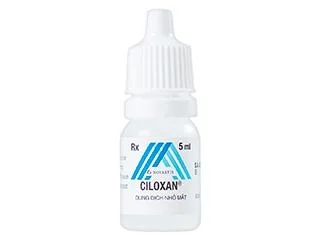
Antibiotic eye drops are used for bacterial ulcers, often very frequently at first. One such drop is ciprofloxacin 0.3% (Ciloxan), supplied in a bottle; the ingredient is also listed as ciprofloxacin. The examination findings decide which drop is right. Orders reach Malaysia from pharmacy partners in India in discreet packaging.
When to see a doctor
Symptoms of this kind call for assessment by a doctor or eye specialist without delay. An ulcer can damage sight, and the eye needs to be examined before any treatment is chosen.
Further reading
Last updated