
Conjunctivitis
Conjunctivitis means inflammation of the conjunctiva, the thin layer inside the eyelid that covers the white of the eye. Redness, watering, discharge and an itchy or gritty sensation are common. Most cases improve within a week or two, and the cause affects which treatment is suitable.
Medicines used to treat Conjunctivitis
Key points
- A cool compress or a rinse with clean water may ease discomfort.
- Try not to touch or rub the eyes.
- Contact lenses and eye make-up used when symptoms started should be replaced.
Causes and triggers
Among infectious causes, bacteria are the most common. A cold or similar upper respiratory infection may come first in viral conjunctivitis; the viral form passes easily between people who are near one another, such as at school or work. Allergic conjunctivitis arises from triggers such as dust mites, pollen and pet dander. In tropical climates these triggers may cause trouble all year.
Symptoms by cause
In bacterial cases the discharge is often thick and yellow or green, and may stick the eyelids together overnight. Viral cases are more likely to be watery than sticky. Intense itching and watery eyes point more to an allergic cause.
Treatment options
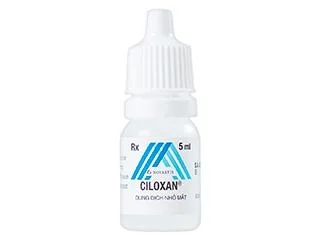
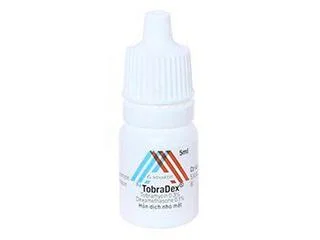
Antibiotic drops are an option for some bacterial cases. Ciloxan is a bottle containing ciprofloxacin 0.3%, used for conjunctivitis and corneal ulcer. Tobradex is a bottle containing tobramycin and dexamethasone, with a strength of 0.1/0.3%, used for conjunctivitis and blepharitis. For pain linked to inflammation or allergy, anti-inflammatory options include those with ketorolac. Pharmacy partners in India ship to Malaysia in discreet packaging.
When to see a doctor
Vision changes, severe pain, symptoms that are no better after a week, or any eye discharge in a newborn all need clinical assessment. Do not rely on self-care for these signs.
Further reading
Last updated