
Tobramycin
Tobramycin is an aminoglycoside antibiotic. By injection it treats serious bacterial infections that are proven or strongly suspected to be caused by susceptible organisms, such as septicaemia, and it is also formulated for ocular use, including combined with dexamethasone in eye drops.
Medicine containing Tobramycin
Key points
- An aminoglycoside antibiotic given by injection for serious bacterial infections and also made as eye drops.
- The injection carries a boxed warning about ototoxicity and nephrotoxicity; hearing and balance damage can be irreversible and is usually bilateral.
- A hypersensitivity reaction to any aminoglycoside rules out tobramycin.
What it is used for
Tobramycin is used for bacterial conjunctivitis and blepharitis. Combined with dexamethasone, it also treats inflammation alongside the infection. Other eye treatments sit under Eye Care.
How it works
It stops susceptible bacteria from growing, and is intended only for infections that are proven or strongly suspected to be caused by susceptible bacteria, which limits resistance.
Forms and brands
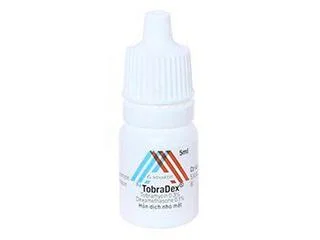
Tobradex 0.1/0.3% comes as a bottle containing tobramycin and dexamethasone. Pharmacy partners in India ship to Malaysia in discreet packaging.
Safety
Tobramycin is not suitable for anyone who has had a hypersensitivity reaction to any aminoglycoside. Close clinical observation is needed during injection therapy because of the potential for ototoxicity and nephrotoxicity. Hearing loss risk rises with high peak or trough serum concentrations, cochlear damage may be silent, and irreversible bilateral deafness may keep developing after the drug is stopped. Renal, vestibular and auditory function and serum levels need monitoring, and impaired function means stopping the drug or adjusting the dose. Numbness, skin tingling, muscle twitching and convulsions are other signs of neurotoxicity. Other neurotoxic or nephrotoxic drugs, particularly other aminoglycosides, cephaloridine, viomycin, polymyxin B, colistin, cisplatin and vancomycin, should be avoided, as should potent diuretics such as ethacrynic acid and furosemide. Premature and neonatal infants need extra caution, and aminoglycosides can cause fetal harm in pregnancy. In the eye, sensitivity reactions may still occur, and the drops are used with caution alongside a systemic aminoglycoside.
What the sources say
- Serious allergic reactions, including anaphylaxis, and skin reactions such as exfoliative dermatitis, toxic epidermal necrolysis, erythema multiforme and Stevens-Johnson syndrome, have been reported rarely with tobramycin (DailyMed).
- The injection contains sodium bisulfite, and sulfite sensitivity can cause allergic-type reactions and asthma-like episodes, more often in people with asthma (DailyMed).
Further reading
Last updated