
Gastrointestinal Infection
Gastrointestinal infection, also called gastroenteritis, means the stomach and bowel are inflamed. Most cases are short, but fluid loss can become serious.
Medicine used to treat Gastrointestinal Infection
Key points
- Viruses, bacteria and parasites can all cause gastroenteritis.
- Most episodes settle with fluids and rest, without antibiotics.
- Antibiotics are considered when a bacterial cause is confirmed.
Causes and symptoms
Bacterial causes include Salmonella, E. coli and Campylobacter. Exposure risk can be higher where street food, warm temperatures and water quality are variable. People often have loose stools, nausea, vomiting and stomach cramps. The illness usually lasts a few days.
Rehydration and supportive care
Oral rehydration salts replace water and electrolytes lost through diarrhoea and vomiting. They are used whatever the cause. Fluid loss is what makes a mild case serious.
Antibiotics for confirmed bacterial infection
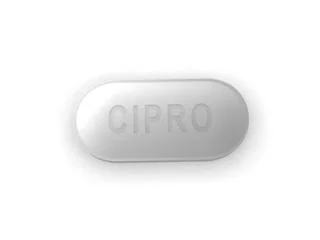
Ciprofloxacin is a broad-spectrum antibiotic. It is used in bacterial gut infections and for travellers’ diarrhoea. It acts on gram-negative bacteria. Cipro tablets contain ciprofloxacin in 250 mg, 500 mg, 750 mg and 1000 mg strengths. Pharmacy partners in India ship orders to Malaysia in discreet packaging.
When to get medical help
Medical review is needed for blood in the stool, diarrhoea continuing past 72 hours, or a high fever. These signs should prompt a medical review.
Further reading
Last updated