Key points
- A mixed episode carries features of mania and depression together, and is often the most distressing form of the illness.
- Rapid cycling means four or more episodes within a year; other people have long stable stretches between episodes.
- Treatment usually combines medicines, because no single agent reliably covers both mood poles.
What the episodes look like
Mania brings a reduced need for sleep, rapid speech, racing thoughts, inflated confidence and impulsive choices. Hypomania is a milder version of the same picture. Depressive episodes resemble major depression, with low energy, poor concentration, loss of interest and at times thoughts of self-harm. The pattern differs from person to person, and the interval between episodes is not the same for everyone.
How treatment is approached
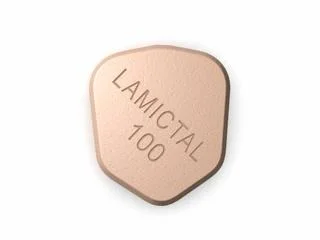
Which pole dominates guides the choice of medicine. Lithium remains a mainstay in classic bipolar I. Valproic acid is one of the most used stabilisers when mania or mixed states dominate. Generic lamotrigine is preferred for the depressive phase and for maintenance, supplied as Lamotrigine tablets in 25, 50, 100 and 200mg strengths. Carbamazepine is another option, supplied as Carbamazepine tablets in 100, 200 and 400mg. When mania or agitation is acute, atypical antipsychotics such as quetiapine, olanzapine, risperidone and ziprasidone are often added, and quetiapine also has strong evidence in the depressive phase. Orders reach Malaysia from pharmacy partners in India in discreet packaging.
Living with bipolar disorder
Keeping sleep regular, lowering stress, and avoiding alcohol and stimulants reduce how often episodes return. Mood tracking and a steady routine help people and their doctors catch early warning signs before an episode fully develops. Education about the illness, given alongside medicine, has been linked to better long-term results than medicine on its own.
When to see a doctor
A doctor needs to assess the condition and review treatment over time, since the picture changes between episodes. Anyone with thoughts of self-harm, or in a mental health crisis, should contact a crisis line in their area, or attend the nearest emergency department straight away.
Further reading