Key points
- COPD is seen mostly in middle-aged and older adults with a smoking history, and many people who have it have not been diagnosed.
- Existing lung damage is permanent; care aims to slow progression and control symptoms.
- For a smoker with COPD, quitting is the most valuable single step.
What causes COPD
Tobacco smoke is the dominant cause worldwide. Smoke from indoor cooking fires using wood, coal or crop residue is another recognised contributor, as is polluted air in dense cities. Dust and fumes at work, in manufacturing and construction for instance, also play a part.
Symptoms
Changes usually accumulate over years. A cough that brings up phlegm, breathlessness that appears first during activity, wheezing and chest tightness are typical, and chest infections recur more often. Because the shift is gradual, many people put it down to ageing or a long-standing smoker’s cough, and diagnosis is delayed. A flare-up means sudden worse breathlessness with more mucus, sometimes with fever; these episodes speed the decline in lung function.
How it is treated
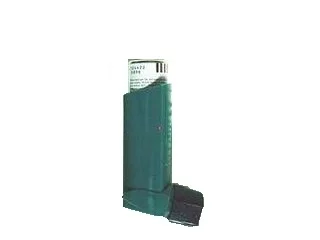
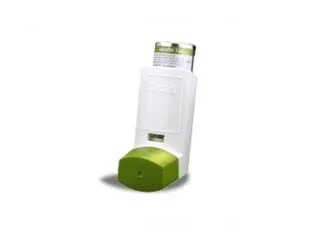
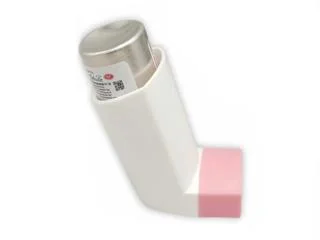
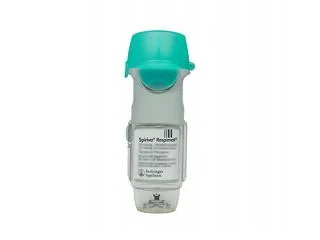
Inhalers do most of the work. Salbutamol, as Ventolin Inhaler, relieves breathlessness quickly. Longer-acting bronchodilators such as salmeterol and tiotropium keep airways open through the day; Tiotropium Inhaler is one option. Inhaled corticosteroids (budesonide, fluticasone) reduce inflammation and are often combined with a long-acting bronchodilator in a single device: Seroflo Inhaler, Fluticasone + Salmeterol and Budesonide + Formoterol Inhaler all pair the two. Pulmonary rehabilitation, a supervised programme of exercise and education, improves daily function beyond what medicines alone achieve. Surgery or transplant applies to very few people.
Orders are shipped to Malaysia by pharmacy partners in India in discreet packaging.
When to get help
Get urgent help if you become severely breathless while resting, if the lips or fingertips look bluish, or if a flare-up has not improved after a day or two of the usual treatment.
What the sources say
- COPD covers several lung conditions that impair breathing, with emphysema and chronic bronchitis the main ones (NHS).
- The damage to the lungs is permanent, but treatment can slow the condition’s progression (NHS).
- If you smoke and have COPD, stopping is the most important thing you can do (NHS).
- Pulmonary rehabilitation is a specialised programme of exercise and education (NHS).
Further reading