Key points
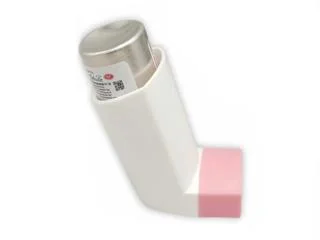
- The combination inhaler contains a corticosteroid and a bronchodilator, giving both anti-inflammatory and airway-opening action from one device.
- Inhaled budesonide helps prevent asthma symptoms, but it will not stop an attack that has already started; a fast-acting rescue inhaler is needed for that.
- Budesonide delayed-release capsules contain enteric-coated granules that dissolve at a pH above 5.5.
What budesonide is used for
Inhaled budesonide is used to prevent asthma symptoms such as breathlessness, chest tightness, wheezing and cough. It is also used as maintenance treatment for chronic obstructive pulmonary disease. It reduces swelling and irritation in the airways rather than providing quick relief.
The delayed-release capsule form is used for Crohn’s disease affecting the ileum and/or the ascending colon. The capsule shell is hard gelatin. The choice between an inhaled form and a capsule depends on the condition being treated.
How budesonide works
Inhaled budesonide acts on the lining of the airways, reducing the swelling and irritation that narrow breathing passages. At cell level, it binds glucocorticoid receptors and reduces the signals that drive inflammation, mucus production and swelling. It acts mainly in the lungs, which keeps systemic exposure comparatively low. The benefit builds with consistent use rather than appearing straight away. Regular use may reduce wheezing and asthma flare-ups, and may lessen the need for quick-relief medicine.
The budesonide + formoterol inhaler (Budesonide + Formoterol Inhaler) is supplied in strengths of 100/6, 160/4.5, 200/6 and 400/6 mcg. The strengths are written as two numbers because the inhaler contains two active ingredients. It is used for asthma and chronic obstructive pulmonary disease. Budesonide also appears in inhaled single-ingredient products and in delayed-release capsules. Pharmacy partners in India ship to Malaysia in discreet packaging.
Safety
Budesonide is a corticosteroid, so its immune effects matter. Corticosteroid-related immune suppression raises the risk of viral, bacterial, fungal, protozoal and helminthic infections, including potentially fatal varicella and measles. Tell your doctor about any recent infection, including tuberculosis, fungal infection or exposure to chickenpox.
Corticosteroids including budesonide can cause hypercorticism and suppress the adrenal axis. Prescribers are asked to monitor for both during treatment. Some antifungal and antiviral medicines can interact with budesonide, so check with your prescriber before combining treatments.
Most side effects are local rather than systemic. Throat irritation, cough and hoarseness are possible with the inhaled form. Gargle and rinse the mouth after using the inhaler to reduce the chance of oral thrush.
Tell your doctor if you are pregnant or breastfeeding, or if surgery is planned. Check with your prescriber before combining budesonide with another inhaled or nasal medicine, so treatment does not overlap.
What the sources say
- Budesonide is broken down quickly and extensively, mainly by CYP3A4, into 6β-hydroxy budesonide and 16α-hydroxy prednisolone. (DailyMed)
- The label for budesonide delayed-release capsules covers mild to moderate active Crohn’s disease of the ileum and/or ascending colon in patients aged 8 years and older. (DailyMed)
Further reading