Key points
- There is no cure, but treatment lets most people live a normal, active life.
- A cough often appears on waking, in cool weather or after exercise.
- A reliever used more than a few times a week, or night waking, means control should be reviewed.
What brings on symptoms
Triggers differ between people. Common ones include dust mites, pollen, pet fur, chest infections, cold air, smoke and strenuous exercise, and humid indoor conditions favour dust mites and mould. Knowing your own triggers and limiting exposure where you can makes daily control easier.
Signs to watch for
Wheezing, breathlessness, chest tightness and cough are the usual signs in adults and adolescents. Most symptoms stay mild, but a flare can become severe enough to need hospital care.
Treatment
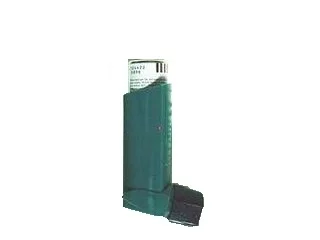
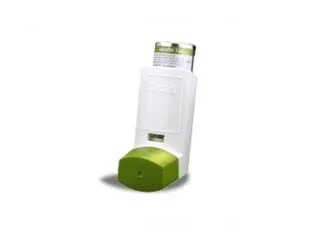
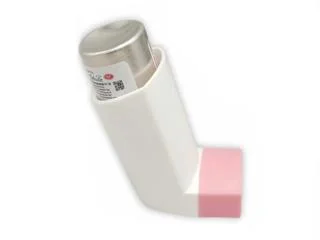
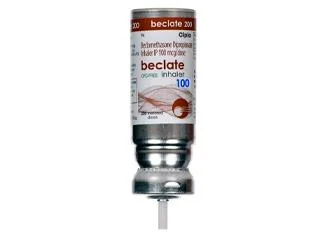
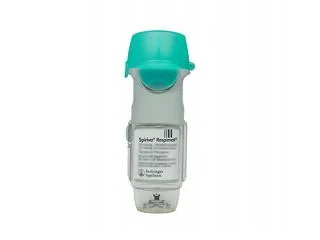
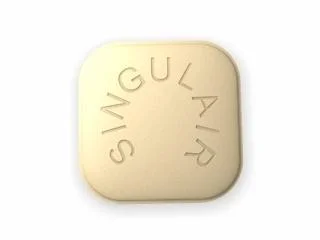
A reliever such as salbutamol (Ventolin Inhaler) is used when symptoms start. Daily preventers are inhaled corticosteroids: beclometasone (Beclometasone Inhaler), budesonide (Budesonide + Formoterol Inhaler) and fluticasone (Fluticasone + Salmeterol, Seroflo Inhaler). Preventers are taken daily, including on days without symptoms. The long-acting openers salmeterol and formoterol are combined with a steroid. Further options are Montelukast (montelukast) tablets, Tiotropium Inhaler (tiotropium) and Prednisolone (prednisolone) tablets. Pharmacy partners in India ship orders to Malaysia in discreet packaging.
When to get help
Get urgent help if speaking in full sentences is difficult, if the lips look blue, or if a reliever brings no relief. See a doctor if your usual inhaler stops easing an attack.
What the sources say
- Airway swelling after a trigger is what narrows the airways and makes breathing hard (Healthdirect).
- Reliever inhalers open the airways within minutes during an attack (Healthdirect).
- Preventers contain low-dose corticosteroids that reduce inflammation in the airways (Healthdirect).
Further reading