
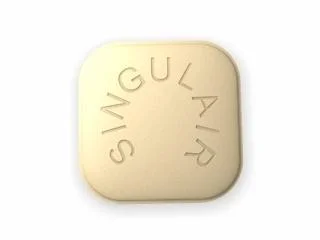
Montelukast
Asthma, Allergic Rhinitis
4 · 5 · 10mg
Montelukast is a leukotriene blocker tablet, with the price shown per tablet, in several strengths and pack sizes. It is for asthma and allergic rhinitis.
FromUS$1.08/ tabletView
Montelukast is a leukotriene receptor antagonist used for long-term asthma control and for allergic rhinitis. It is taken as a regular medicine, not as a rescue treatment for sudden breathing difficulty. Tablets are available in 4 mg, 5 mg and 10 mg strengths.
Asthma, Allergic Rhinitis
4 · 5 · 10mg
Montelukast is a leukotriene blocker tablet, with the price shown per tablet, in several strengths and pack sizes. It is for asthma and allergic rhinitis.
Montelukast is indicated for the prophylaxis and chronic treatment of asthma in adults and adolescents aged 15 years and older. It is also used to prevent exercise-induced bronchoconstriction in patients aged 15 years and older. For seasonal and perennial allergic rhinitis, it relieves symptoms in the same age group. Treatment is intended for regular use to maintain control of chronic inflammation in the upper and lower airways. It is not indicated for reversing bronchospasm in an acute asthma attack, including status asthmaticus, so patients should have appropriate rescue medication available.
Montelukast selectively blocks the action of cysteinyl leukotrienes in the lungs. These are inflammatory mediators released in response to inhaled allergens. Blocking them prevents airway constriction and swelling, which can reduce the frequency of breathing difficulty during daily activities.
MayChemist supplies Montelukast as a tablet in 4 mg, 5 mg and 10 mg strengths. It is available as a chewable tablet and as a film-coated tablet, and it sits in the respiratory health category. Orders are shipped from pharmacy partners in India to Malaysia in discreet packaging.
Montelukast is contraindicated in people with hypersensitivity to montelukast. It is available for use in children. In pregnancy or breastfeeding, consult a physician.
The label carries a boxed warning for serious neuropsychiatric events. Agitation, aggression, depression, sleep disturbance, and suicidal thoughts and behaviour, including suicide, have been reported. These events have occurred in adult, adolescent and paediatric patients with and without a previous history of psychiatric disorder, mostly during treatment and in some cases after montelukast was stopped. The mechanism is not well understood. In allergic rhinitis, montelukast should be reserved for patients with an inadequate response to or intolerance of alternative therapies. For asthma or exercise-induced bronchoconstriction, benefits and risks should be weighed before prescribing. Prescribers should discuss the risk with patients and caregivers so new symptoms are recognised; if they occur, stop the medicine and contact a healthcare provider immediately.
Monitor for neuropsychiatric changes, and seek medical advice if symptoms persist. Serious side effects include Churg-Strauss syndrome, depression and suicidal ideation, all of which require immediate medical attention. Other side effects include headache, abdominal pain, diarrhoea, nausea, increased liver enzymes and rash. Phenobarbital is a drug interaction to note.
Last updated