
Community-acquired Pneumonia
Community-acquired pneumonia develops away from hospitals and other healthcare facilities. It can range from a mild illness treated at home to a severe one needing hospital care. Bacteria are a common cause, and Streptococcus pneumoniae is the pathogen most often identified.
Medicines used to treat Community-acquired Pneumonia

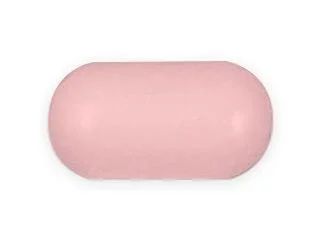
Moxifloxacin
400mg
Moxifloxacin is a fluoroquinolone antibiotic used for community-acquired pneumonia, acute sinusitis and skin infections. This tablet comes in one strength and several pack sizes. You see the price per tablet for each option.
Key points
- Viral infection can also cause pneumonia.
- A chest X-ray usually confirms the diagnosis; a sputum culture may identify the organism.
- Antibiotic selection and treatment length are guided by local resistance patterns and the person’s circumstances.
Symptoms
Fever, chills and a cough that produces phlegm are common. Chest pain may worsen with breathing. Shortness of breath and fatigue can follow, especially in more severe illness.
Treatment
Antibiotics are the main treatment when bacterial infection is confirmed or strongly suspected. For mild or moderate illness in adults and children who do not need hospital care, oral antibiotics may be used.
Azithromycin is supplied as Zithromax tablets in 100, 250, 500 and 1000 mg strengths (Zithromax; azithromycin). Moxifloxacin comes as 400 mg tablets (Moxifloxacin; moxifloxacin). Both are antibiotics used for community-acquired pneumonia. Zithromax is also used for skin infection, while moxifloxacin is used for acute sinusitis and skin and soft tissue infection. Pharmacy partners in India ship orders to Malaysia in discreet packaging.
When to see a doctor
Get medical help quickly if breathing is laboured, the lips or fingertips look bluish, or symptoms are worse after 48 hours of treatment. Worsening breathlessness or fatigue also needs prompt assessment.
Further reading
Last updated