Key points
- The elbows, knees and hands are often affected; in babies and toddlers the face is a common site.
- Skin may be itchy, dry, cracked, crusty, scaly or thickened, and can look red, white, purple, grey, or lighter or darker than the surrounding skin.
- There is no cure. Emollients and topical corticosteroids are the main treatments.
What a flare looks like
Patches may blister or bleed during a bad spell. Between flares the skin can settle, then worsen again. Sweat, soap, certain fabrics, dust mites and sudden changes in temperature or humidity are triggers some people notice, though these differ from person to person.
Treatment
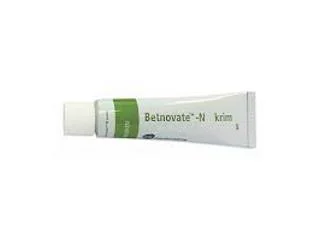
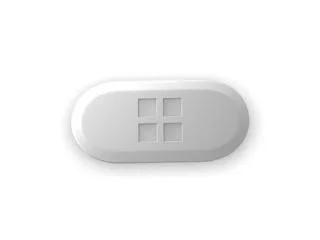
Moisturising regularly with an emollient, whether a cream, lotion, ointment or gel, is the basis of daily care. A topical corticosteroid is used during flares to calm inflammation and itch. Betamethasone Valerate Cream is a 0.1% cream containing betamethasone. Aristocort is a 4mg triamcinolone tablet. Eczema and psoriasis appear among the uses of both; the cream is also used for dermatitis. Further options are grouped under skin care. Orders reach Malaysia from pharmacy partners in India in discreet packaging.
When to get medical help
Pain, swelling or warmth in the affected skin needs urgent medical review. The same applies if the eczema suddenly gets worse or covers a larger area.
What the sources say
- Atopic eczema is a common skin condition that causes itching, and it is the most common type of eczema (NHS).
- People of all ages can be affected, but young children are most often (NHS).
- Symptoms tend to worsen during flare-ups and ease in between (NHS).
- Skin that is blistered, crusty, leaking fluid or dotted with pus-filled spots may be infected and needs urgent attention (NHS).
Further reading