
Epilepsy
Epilepsy is a condition of the brain that causes seizures. For most people, having seizures is the only symptom, and an episode usually passes within seconds or minutes without help. There is no cure at present, but treatment often brings seizures under control.
Medicines used to treat Epilepsy

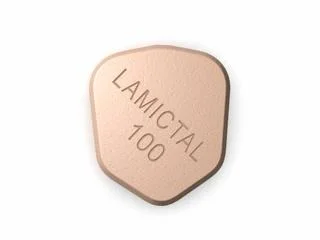
Lamotrigine
25 · 50 · 100 · 200mg
Lamotrigine tablets contain lamotrigine, an anticonvulsant for epilepsy and for preventing mood episodes in bipolar disorder. You can choose from several strengths and pack sizes. You see the price per tablet for each option.
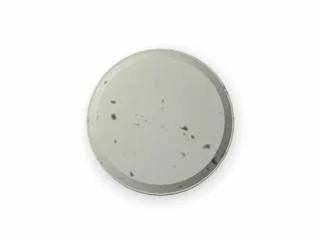
Carbamazepine
100 · 200 · 400mg
Carbamazepine tablets contain carbamazepine and are used for epilepsy, trigeminal neuralgia and bipolar disorder. You can choose from several strengths and pack sizes. You see the price per tablet for each option.
Key points
- Symptoms often begin in young children or in people over 50, though epilepsy can start at any age.
- Someone may be aware of a seizure and remember it afterwards, or have no memory of it at all.
- Seizures can involve the body becoming stiff or floppy, falling, jerking movements, loss of awareness, or odd sensations such as a strange smell or tingling.
How seizures can present
A generalised tonic-clonic seizure brings loss of consciousness together with convulsions. Absence seizures are short blank spells and are seen most often in children. Focal seizures begin in one region of the brain and may or may not spread further. Some people notice a warning, called an aura, in the seconds before a seizure starts: a strange smell, a change in vision or a rising feeling in the stomach.
Medicines used to control seizures
A single anticonvulsant gives most people good control. Valproic acid is one of the oldest and most broadly effective agents and is used across many seizure types. Lamotrigine is often selected for focal epilepsy, topiramate works for both focal and generalised seizures, and gabapentin addresses particular seizure patterns.
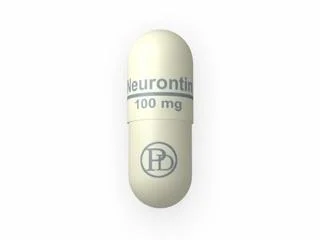
Tablets include Neurontin (gabapentin) in 100, 300, 400 and 600mg, Topamax (topiramate) in 25, 50 and 100mg, lamotrigine in 25, 50, 100 and 200mg, and carbamazepine in 100, 200 and 400mg. Orders are prepared by pharmacy partners in India and shipped to Malaysia in discreet packaging.
Which medicine suits a person is a decision for a neurology specialist, who weighs seizure type, age and individual response. Keeping to a steady routine for doses counts for as much as which drug is used.
Day to day and when to get help
Missing sleep, alcohol, fever and bright flickering light are recognised triggers. Many people whose seizures are controlled work and travel normally. Call emergency services if a generalised seizure runs past five minutes, or if consciousness does not return between seizures.
What the sources say
- Seizures are usually the only symptom of the condition (NHS).
- Most people can stop having seizures using a single anti-seizure medicine (Mayo Clinic).
- A seizure typically lasts a few seconds or minutes and ends on its own (NHS).
- There are more than 30 kinds of anti-seizure medicine to choose from (Mayo Clinic).
Further reading
Last updated