
Mild to Moderate Pain
Pain arises when the nervous system detects that part of the body is injured or in danger of injury. When it comes on suddenly and has a clear cause, it is called acute pain.
Medicine used to treat Mild to Moderate Pain
Key points
- Acute pain has lasted less than a month and has a known cause.
- Pain is the most common reason people seek medical care.
- Acute pain can be severe, but it usually resolves over days or weeks.
What causes acute pain
Acute pain has an identifiable trigger. Dental disease, a fracture or an operation are common examples, and pain can also follow injury, trauma, surgery or infection. Because the cause is known, the pain can usually be tied to a specific event.
How mild to moderate pain is treated
Pain relief medicines are used to ease mild to moderate pain while the underlying cause is dealt with. Ibuprofen is used at this level of pain, and also for fever, period pain, osteoarthritis and rheumatoid arthritis. Relieving pain is one part of pain management, alongside treating the cause.
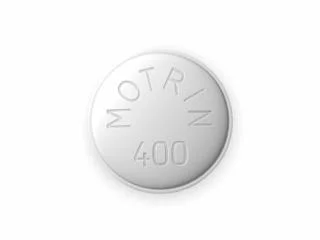
Ibuprofen tablets
Ibuprofen is taken as a tablet. Motrin tablets contain ibuprofen and come in 200mg, 400mg and 600mg strengths. Orders are shipped to Malaysia by pharmacy partners in India in discreet packaging.
When to see a doctor
Severe acute pain that is left untreated may make chronic pain more likely. Pain that is severe, or that is not easing as expected, is a reason to seek medical assessment.
What the sources say
- Acute pain most often follows an obvious injury, such as dental disease, a fracture or an operation, and is the body’s normal reaction to damaged tissue. (South & West Devon Formulary)
- Treating acute pain well after surgery or trauma supports early mobilisation and helps avoid complications. (South & West Devon Formulary)
- Most acute pain is nociceptive, meaning it comes from damaged tissue rather than from a problem with the nerves. (NIH MedlinePlus Magazine)
Further reading
Last updated