Diclofenac
50 · 100mg
Diclofenac tablets are an NSAID for rheumatoid arthritis, osteoarthritis and ankylosing spondylitis. They come in several strengths and pack sizes. You see the price per tablet for each option.
FromUS$0.31/ tabletView
Osteoarthritis affects joints, making them painful and stiff. It is the most common form of arthritis.
50 · 100mg
Diclofenac tablets are an NSAID for rheumatoid arthritis, osteoarthritis and ankylosing spondylitis. They come in several strengths and pack sizes. You see the price per tablet for each option.

60 · 90 · 120mg
Etoricoxib is an anti-inflammatory tablet for osteoarthritis, rheumatoid arthritis, ankylosing spondylitis and gouty arthritis. It comes in several strengths and pack sizes. Each option lists its price per tablet.
In osteoarthritis, the cartilage that cushions the ends of bones thins. The bone underneath becomes exposed and inflamed. The knees, hips and hands are affected most often, although any joint can be involved. Pain usually builds slowly: a dull ache at first, then sharper discomfort after activity. A grating sensation can appear as the condition progresses.
The exact cause is not known. Joint injury, older age, family history, obesity, being a woman and earlier joint damage from another condition are all linked to a higher risk. Extra body weight puts strain on weight-bearing joints, especially the knees and hips. Repetitive strain at work and the years after menopause are also associated with osteoarthritis.
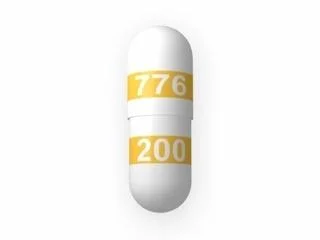
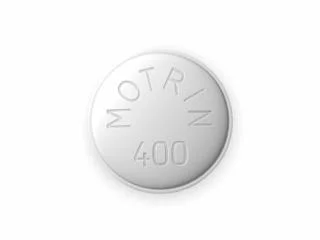
When activity changes and weight control are not enough, non-steroidal anti-inflammatory drugs (NSAIDs) are the class used most often. Tablet options include Diclofenac 50 and 100 mg, Meloxicam 7.5 and 15 mg, Celecoxib 100 and 200 mg, Etoricoxib 60, 90 and 120 mg, Celebrex 100 and 200 mg, and Motrin 200, 400 and 600 mg. The active ingredients are diclofenac, meloxicam, celecoxib, etoricoxib and ibuprofen. Celecoxib is COX-2 selective and may be chosen where gastrointestinal tolerability matters. Tablets are shipped to Malaysia in discreet packaging by licensed pharmacy partners in India.
Joint pain that is severe, worsening quickly, or accompanied by significant swelling and warmth needs a clinical assessment.
Last updated