Key points
- Diclofenac tablets are available in 50 mg and 100 mg strengths.
- Relief usually starts within 1–2 hours and lasts around 8–12 hours.
- The liver enzyme CYP2C9 mainly forms 4’-hydroxy diclofenac, and the terminal half-life of unchanged diclofenac is about 2 hours.
What diclofenac is used for
Diclofenac is taken for pain and inflammation in joint conditions. It can ease the signs and symptoms of rheumatoid arthritis and osteoarthritis. It is also used in ankylosing spondylitis. The medicine has analgesic, anti-inflammatory and antipyretic properties.
How diclofenac works
Diclofenac belongs to the phenylacetic acid derivative group. It inhibits the cyclooxygenase enzymes COX-1 and COX-2. This enzyme inhibition prevents the production of prostaglandins, the substances responsible for pain and inflammation. Lower prostaglandin levels reduce pain and swelling.
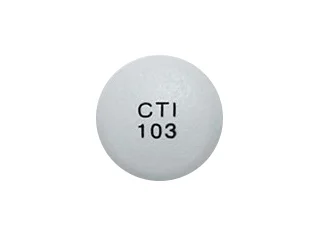
The Diclofenac product is a generic tablet available in 50 mg and 100 mg strengths. Different diclofenac formulations, such as enteric-coated, extended-release and immediate-release tablets, are not necessarily bioequivalent even at the same milligram strength. A milligram-for-milligram comparison across these forms does not confirm equivalent exposure. MayChemist orders are shipped from pharmacy partners in India to Malaysia in discreet packaging.
Before you take diclofenac
Diclofenac is contraindicated in people with an active peptic ulcer or severe heart failure. The extended-release form is contraindicated in the setting of coronary artery bypass graft (CABG) surgery. Use the lowest effective dose and monitor for gastrointestinal bleeding. Elderly people need cautious use. Small amounts are excreted in breast milk.
Side effects and interactions
Minor side effects include nausea and dyspepsia. Dizziness and fluid retention are moderate effects. Gastrointestinal haemorrhage is a serious side effect that requires immediate medical attention. Alcohol and corticosteroids are listed interactions.
What the sources say
- The label carries a boxed warning whose first heading is Cardiovascular Thrombotic Events, and a second heading for Gastrointestinal Bleeding, Ulceration, and Perforation. (DailyMed)
- NSAIDs, including diclofenac, increase the risk of serious cardiovascular thrombotic events such as myocardial infarction and stroke, which can be fatal. This risk may begin early in treatment and rise with longer use. (DailyMed)
- NSAIDs can cause serious gastrointestinal adverse events, including bleeding, ulceration and perforation of the stomach or intestines, which can be fatal. These events may occur at any time without warning symptoms. Elderly people and those with a prior peptic ulcer or gastrointestinal bleeding are at greater risk. (DailyMed)
- Diclofenac and other NSAIDs should be avoided from about 30 weeks of pregnancy because they can cause premature closure of the fetal ductus arteriosus. (DailyMed)
Further reading