
Muscle Spasticity
Spasticity means muscle tone, the tension held in a muscle, is higher than it should be, so muscles stay stiff and rigid and movements become difficult or awkward. It appears in multiple sclerosis and cerebral palsy, and after spinal cord injury or stroke.
Key points
- Spasticity is the most common movement problem in cerebral palsy, and it may affect one side of the body, only the arms, only the legs, or every muscle.
- Between 40% and 80% of people with MS have muscle spasms or stiffness at some time, though for most people they are occasional.
- Very strong spasms can jerk the body dramatically, moving a limb with force or holding it in an uncomfortable position.
Signs to look for
Some muscles are slow to relax, which shows as stiffness, while others twitch or jerk when stretched. At night this jerking, often in the legs, can wake the person or a partner several times, and broken sleep may make fatigue and weakness worse.
Why tone rises
Muscle tone depends on a balance of signals from the brain and spinal cord. Damage to these pathways, from a stroke, a cord lesion or a condition such as MS, leaves the muscle with too little inhibition, so it contracts more than the movement requires.
Treatment
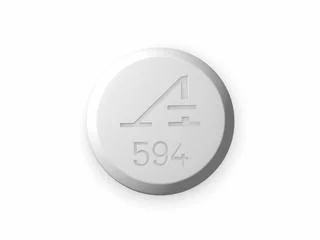
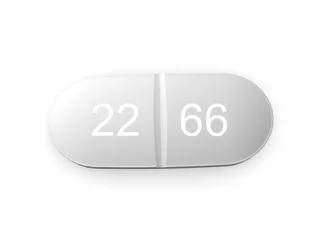
Treatment aims to lower tone and reduce how often spasms occur, without giving up strength still needed for standing or walking. Oral muscle relaxants are the mainstay: Baclofen dampens excitatory signalling in the spinal cord, while Zanaflex (tizanidine) acts by another route and its effect wears off sooner. Stretching and regular physiotherapy continue alongside medicine and help prevent contractures, where a muscle shortens permanently under sustained high tone. Orders reach Malaysia from pharmacy partners in India in discreet packaging.
When to seek review
Spasticity that suddenly worsens without an obvious cause needs prompt medical review. It can point to a new problem such as a pressure sore, a urinary tract infection or disease progression.
What the sources say
- Moving an affected muscle meets more resistance than normal, and the muscle feels rigid (MS Society).
- Physiotherapy, occupational therapy and drugs can help manage these symptoms (MS Society).
- Checking for triggers such as infections, fever, a fractured bone, a relapse or a full bladder is a vital step towards finding solutions (MS Society).
Further reading
Last updated