
Musculoskeletal Pain
Musculoskeletal pain is discomfort arising from muscles, bones, joints, ligaments or tendons. It may follow an injury or overuse, or develop gradually as a joint wears. Pain can stay in one area or spread, often with stiffness or swelling.
Medicine used to treat Musculoskeletal Pain
Key points
- Repetitive strain, awkward posture, injury, inflammation and joint wear are common triggers.
- The pain can be localised or diffuse, with stiffness, swelling and reduced movement.
- Rest, gentle movement and heat or cold can be used alongside any medicine.
What causes it and how it feels
Causes vary widely. Poor posture, overuse, trauma, inflammation and degenerative change in a joint are the most frequent. Discomfort may be confined to one area or spread more broadly. Stiffness, swelling and a restricted range of movement commonly accompany it.
How it is treated
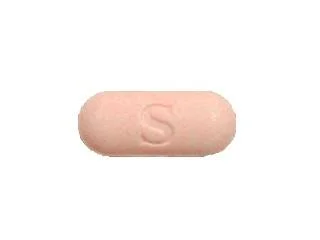
What is used depends on how severe the pain is and what is causing it. Anti-inflammatories such as naproxen act on both swelling and pain. Where muscle spasm is the main problem, the skeletal muscle relaxant metaxalone eases tightness and can improve mobility. It is available as Skelaxin 400mg tablets, and both options sit within pain management. Orders are shipped to Malaysia by pharmacy partners in India in discreet packaging.
When to see a doctor
Get medical advice promptly if the pain follows a serious injury, comes with numbness or weakness, or has not eased after one to two weeks of self-care.
What the sources say
- Acute pain usually begins suddenly and is time-limited, defined as lasting less than one month, and is often caused by injury, trauma or surgery (CDC).
- Acute pain that is unresolved, or subacute pain present for one to three months, can develop into chronic pain (CDC).
- Pain is shaped by biologic, psychological and social factors, so how well a treatment works varies with the underlying condition (CDC).
Further reading
Last updated