
Peptic Ulcer Disease
Peptic ulcer disease covers ulceration of the stomach lining and the duodenum, the intestinal section immediately after the stomach. When the mucus barrier no longer holds, acid can reach tissue it normally would not. The aim of treatment is to lower acid exposure and allow the lining to heal.
Medicines used to treat Peptic Ulcer Disease


Key points
- Most cases worldwide are linked to H. pylori infection or to regular use of anti-inflammatory painkillers, including aspirin and ibuprofen.
- Acid suppression is the main way to help an ulcer heal; if H. pylori is present, antibiotics are also used.
- An ulcer can become serious, but most people recover once it is treated.
How ulcers develop
H. pylori impairs the stomach’s defence mechanisms. Painkillers of the anti-inflammatory type disturb prostaglandins, which help maintain the gut lining’s protection. Either process leaves the barrier less resistant to acid, so an ulcer may develop.
Symptoms
The main symptom is pain in the upper abdomen. It often feels like burning rather than aching, and it is frequently worse at night.
How it is treated
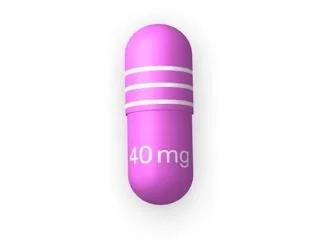
Lowering acid gives the damaged lining time to recover. Nexium is a tablet brand of esomeprazole, supplied in 20 mg and 40 mg strengths. Pepcid tablets contain famotidine in strengths of 20 mg and 40 mg; as an H2 blocker, famotidine lowers acid through a different mechanism. Zantac supplies ranitidine in 150 mg and 300 mg tablets. If H. pylori is found, treatment pairs acid suppression with antibiotics, clearing the infection and reducing the chance it comes back. Pharmacy partners based in India send orders to Malaysia in discreet packaging.
When to see a doctor
A sudden, intense stomach pain, stools that are black and tarry, or vomit resembling coffee grounds all need urgent assessment. They can signal bleeding or a perforated ulcer.
What the sources say
- Stomach ulcers are sores within the stomach. (NHS)
- People may also notice heartburn, indigestion, bloating, or sickness. (NHS)
Further reading
Last updated