
Stroke
A stroke happens when blood flow to part of the brain stops. It can affect speech and movement, and it needs urgent hospital care because it may be life-threatening. Recovery can take a long time.
Medicine used to treat Stroke
Key points
- An ischaemic stroke comes from a clot blocking an artery; a haemorrhagic stroke from a burst blood vessel.
- The FAST test stands for face drooping, arm weakness, slurred speech, and time to call emergency services.
- Antiplatelets can lower the chance of clots forming inside arteries after an ischaemic stroke or TIA.
What a stroke is
A stroke can be ischaemic, when a clot blocks an artery, or haemorrhagic, when a blood vessel bursts. Without oxygen, brain cells start to die quickly.
Recognising the warning signs
The FAST test highlights face drooping on one side, arm weakness, and slurred or garbled speech. Time matters: call emergency services. Other signs can include sudden vision loss in one eye, a severe headache with no clear cause, and loss of balance or co-ordination.
How a stroke is treated
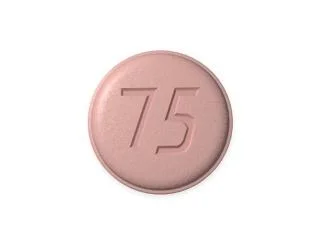
After an ischaemic stroke or TIA, the aim is to prevent another event. Clopidogrel is an antiplatelet medicine that makes blood less likely to clot in arteries. Plavix is a 75mg clopidogrel tablet for atherothrombotic events, myocardial infarction, stroke and peripheral arterial disease. Blood-pressure control is also part of long-term care. Orders ship to Malaysia from pharmacy partners in India in discreet packaging.
When to see a doctor
Stroke care is urgent and starts in hospital because it can be life-threatening. If new neurological symptoms appear after a stroke or TIA, treat them as an emergency, even if they settle. Warning signs that fade and return may mean another stroke is close.
What the sources say
- A stroke happens when blood stops flowing to part of the brain. (NHS)
- Stroke can affect speech and movement, and recovery may be slow. (NHS)
- A stroke needs urgent hospital help because it can be life-threatening. (NHS)
Further reading
Last updated