
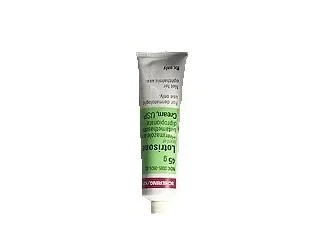
Betamethasone + Clotrimazole Cream
10g
Betamethasone with clotrimazole cream is for dermatosis and tinea pedis, cruris or corporis. It comes in one strength and several pack sizes. Each option lists its price per tube.
FromUS$6.06/ tubeView
Tinea corporis is a fungal skin infection caused by dermatophytes. The name ringworm is misleading, as no worm is involved. Patches can appear on the arms, legs, trunk or elsewhere on the body, and they often itch.
10g
Betamethasone with clotrimazole cream is for dermatosis and tinea pedis, cruris or corporis. It comes in one strength and several pack sizes. Each option lists its price per tube.
Dermatophytes grow well in warm, damp conditions, and sweating under clothing raises the risk. The fungus passes between people through skin contact or shared towels and clothing. It can affect any part of the body; on the groin and feet it is known by other names (tinea cruris, tinea pedis).
The rash may be scaly, dry, swollen or itchy, and it can look red or darker than the surrounding skin depending on skin tone. On brown and black skin the colour change is less noticeable, so shape and texture are the clearer signs.
Most cases clear with an antifungal cream. Betamethasone + Clotrimazole Cream contains clotrimazole and betamethasone in a 10g tube. Tablets are sometimes needed when the infection has spread across the body, or when skin treatment has not worked or keeps returning. Keep the area clean and dry, wear fabrics that let air through, and do not share towels or clothing. Pharmacy partners in India ship to Malaysia in discreet packaging.
Confirming that the infection is tinea before starting antifungal treatment is worthwhile. Seek advice if the rash spreads rapidly, becomes very inflamed, or has not improved after two weeks of treatment.
Last updated