Key points
- Clotrimazole is an azole antifungal that attacks the fungal cell membrane, so the fungus cannot survive or spread.
- It is used for fungal skin infections including tinea pedis, tinea cruris and tinea corporis, and for dermatosis with a secondary fungal element.
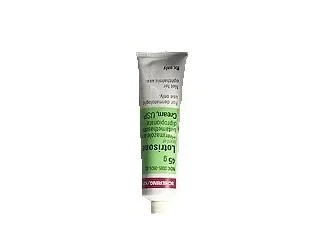
- It is supplied as a cream combining clotrimazole with betamethasone in a 10g tube.
What clotrimazole is used for
Clotrimazole treats fungal infections that sit on the surface of the skin. Conditions it is used for include tinea pedis, tinea cruris and tinea corporis. It also has a place in dermatosis where a secondary fungus is involved. Lowering the fungal load allows the skin barrier to recover. Choosing a suitable product within skin care matters for comfort and for keeping the medicine on the affected area.
How it works
Clotrimazole interferes with the fungal cell membrane, the outer layer the organism needs to stay intact. Once that membrane is disrupted, the fungus cannot grow or spread across the skin. The action is aimed at the fungus rather than the skin, which makes it a targeted treatment for surface fungal problems.
The product supplied is Betamethasone + Clotrimazole Cream, a 10g tube. It contains clotrimazole alongside betamethasone, a steroid, and is listed for dermatosis, tinea pedis, tinea cruris and tinea corporis. A cream of this kind is applied directly to the affected area so the medicine stays where it is needed. Orders are prepared by pharmacy partners in India and shipped to Malaysia in discreet packaging.
Safety
Read the label before use. People with a known sensitivity to azole antifungals should not use clotrimazole. Clean and dry the skin before applying the cream. Mild irritation, redness or stinging at the site can occur. If burning is excessive or a rash develops, seek medical advice. Mention other topical treatments used on the same area to a clinician, as products can overlap. The label and verified clinical sources are the right references for contraindications, interactions and reactions.
Further reading