
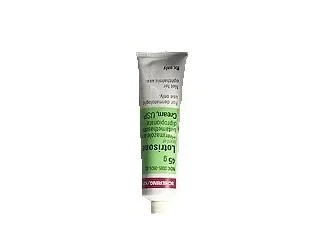
Betamethasone + Clotrimazole Cream
10g
Betamethasone with clotrimazole cream is for dermatosis and tinea pedis, cruris or corporis. It comes in one strength and several pack sizes. Each option lists its price per tube.
FromUS$6.06/ tubeView
Dermatosis is a broad term for any skin disease or disorder. It ranges from short-lived inflammatory rashes to longer-term conditions such as eczema and seborrhoeic dermatitis. In humid climates these problems appear more often, and secondary fungal or bacterial infection may complicate them.
10g
Betamethasone with clotrimazole cream is for dermatosis and tinea pedis, cruris or corporis. It comes in one strength and several pack sizes. Each option lists its price per tube.
The term covers a wide spectrum of skin disorders. Eczema and seborrhoeic dermatitis are longer-term examples. Humid conditions are linked with more frequent skin problems, and secondary infection can complicate the picture. Contact dermatitis and eczematous reactions may respond to topical treatment.
Dermatosis may appear as an inflammatory rash, itching, or a longer-running skin problem. A spreading rash, significant pain, or a condition that has not improved after about two weeks of treatment deserves a doctor’s assessment.
Topical corticosteroids such as betamethasone calm inflammation and relieve itching. Where fungal involvement is suspected, including tinea corporis, tinea cruris or tinea pedis, the antifungal clotrimazole may be used. A 10 g tube of Betamethasone + Clotrimazole Cream combines both ingredients. General skin care is part of a topical routine. Pharmacy partners in India ship to Malaysia in discreet packaging.
Seek medical advice if the skin problem is spreading quickly, causes significant pain, or is not improving after about two weeks of treatment. A doctor can assess whether another cause is responsible.
Last updated