
Allopurinol
Allopurinol is a xanthine oxidase inhibitor. It lowers the amount of uric acid the body produces and is used in gout, hyperuricaemia and uric acid nephropathy. It comes as a tablet and is taken long term.
Medicine containing Allopurinol
Key points
- Allopurinol is a structural analogue of the natural purine base hypoxanthine.
- Its uric acid-lowering effect builds over about 2 to 6 weeks.
- Allopurinol’s plasma half-life is about 1 to 2 hours; the active metabolite oxipurinol lasts about 15 hours.
What it is used for
Allopurinol lowers uric acid in gout and in hyperuricaemia, where blood uric acid is raised. It is also used in uric acid nephropathy, and for the rise in uric acid that occurs when tumour cells break down during some cancer treatment.
How it works
Xanthine oxidase converts hypoxanthine to xanthine, and xanthine to uric acid. Allopurinol inhibits that enzyme, so both serum and urinary uric acid concentrations fall. That fall is the basis of its use in urate-related conditions.
Forms and brands
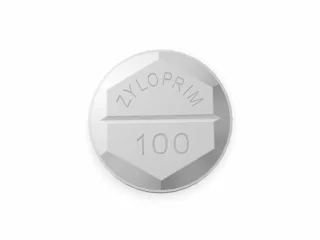
Zyloprim tablets contain allopurinol in 100 mg and 300 mg strengths. Pharmacy partners in India ship orders to Malaysia in discreet packaging.
Safety
Allopurinol should not be used by anyone with a hypersensitivity to it, or during an acute gout attack. Drink enough fluid while taking it. A rash is a minor effect: stop the medicine and get medical advice if one appears. Nausea and diarrhoea can occur. Severe hypersensitivity syndrome and severe skin reactions are serious and need immediate medical attention.
Allopurinol interacts with azathioprine, mercaptopurine and warfarin. It is not recommended for children except in specific conditions. In pregnancy it is used only if clearly necessary, when the benefits outweigh the risks. It passes into breast milk, so speak to a doctor before use while breastfeeding.
What the sources say
- NICE lists allopurinol as a first-line option for long-term, treat-to-target urate-lowering therapy, chosen with a person’s other conditions and preferences in mind (NICE).
- NICE describes gout as a lifelong condition that benefits from long-term urate-lowering therapy, which clears urate crystals, prevents flares, shrinks tophi and limits joint damage (NICE).
- A gout flare is treated first-line with an NSAID, colchicine or a short course of an oral corticosteroid (NICE).
- The Zyloprim label warns that a skin rash may be followed by more severe hypersensitivity reactions, including Stevens-Johnson syndrome, generalised vasculitis, irreversible hepatotoxicity and, rarely, death (DailyMed).
Further reading
Last updated