
Hyperuricaemia
Hyperuricaemia means there is too much uric acid in the blood. It is the underlying cause of gout, a form of arthritis in which uric acid crystals form around joints and cause sudden, severe pain. Attacks can affect one joint or several, and they often return.
Medicine used to treat Hyperuricaemia
Key points
- A gout attack left untreated usually settles within one to two weeks, and later attacks may last longer.
- Gout is more common in men, especially as they get older, and it sometimes runs in families.
- Untreated gout can cause lasting damage to joints, hard painful lumps called tophi, and kidney stones.
From high uric acid to gout
When uric acid stays high in the blood, crystals can form around a joint and set off an attack. The joint becomes painful, and the skin over it feels hot, looks red and is swollen. Feet, ankles, hands, wrists, elbows and knees can all be involved.
Treating an attack and lowering uric acid
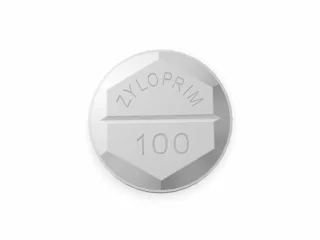
An acute attack is usually treated with a non-steroidal anti-inflammatory drug such as ibuprofen. Where attacks keep coming back or uric acid levels stay high, a uric acid-lowering medicine taken regularly may be needed. Zyloprim tablets contain allopurinol in 100 mg and 300 mg strengths and are used in gout, hyperuricaemia and uric acid nephropathy. More detail is on the allopurinol page, with related reading on gout, hyperuricaemia, uric acid nephropathy and pain management. Orders are prepared by pharmacy partners in India and shipped to Malaysia in discreet packaging.
When to get medical help
Seek urgent help if joint pain and swelling come with worsening pain, a very high temperature, or feeling sick and unable to eat. These can be signs of an infection inside the joint. Tophi, the hard lumps that form under the skin usually on the ears, fingers or elbows, can be painful and interfere with daily life.
What the sources say
- Gout comes from having too much uric acid in the blood, which allows crystals to form around joints and cause pain (NHS).
- The pain is usually in the big toe but can affect other joints in the feet, ankles, hands, wrists, elbows or knees (NHS).
- Attacks are generally treated with a non-steroidal anti-inflammatory drug such as ibuprofen (NHS).
- Sudden joint pain with a very high temperature or being unable to eat may mean infection in the joint and needs urgent medical help (NHS).
Further reading
Last updated