Key points
- The lipid response develops over about 2 to 4 weeks, and atorvastatin is a long-term medicine rather than a short course.
- In children, atorvastatin is used above the age of 10 years, and only when necessary.
- Atorvastatin is a substrate of the efflux transporter BCRP, a transport protein that may limit absorption from the gut and clearance into bile.
What atorvastatin is used for
Atorvastatin treats hypercholesterolaemia, in which LDL cholesterol in the blood is raised. It is an adjunct to diet: changes to what you eat and other lifestyle measures start first and continue while the medicine is taken. The medicine lowers LDL cholesterol and does not replace those measures.
It is also used to reduce cardiovascular risk. That covers adults with risk factors for coronary heart disease and adults who already have established coronary heart disease. For some people the main goal is reaching a target LDL level, and attention stays on the cholesterol figure. For others, particularly those with diabetes, existing heart disease or several risk factors, the aim is longer-term protection of the blood vessels and heart.
In both situations treatment runs over the long term, because the reduction in risk depends on LDL cholesterol staying lower.
How it works
The liver makes most of the body’s cholesterol, and only a smaller part arrives from food. Atorvastatin blocks HMG-CoA reductase, the enzyme responsible for cholesterol synthesis in the liver. With synthesis reduced, the liver increases the number of LDL receptors on its surface and clears more LDL cholesterol out of the blood, so circulating LDL falls.
The effect on the enzyme outlasts the drug itself. Atorvastatin’s mean plasma elimination half-life is about 14 hours, while its inhibition of HMG-CoA reductase continues for 20 to 30 hours, because active metabolites carry the effect on after the parent compound has cleared.
The change builds gradually rather than at once, and the benefit comes from continuing treatment alongside diet.
Atorvastatin tablets available
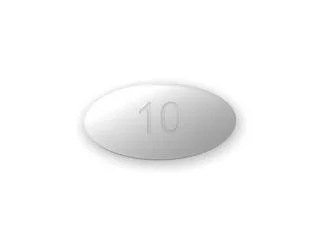
Atorvastatin is listed as a film-coated tablet in 10 mg, 20 mg, 40 mg and 80 mg strengths: Atorvastatin. Atorvastatin is the active ingredient. The film coat makes swallowing easier and shields the medicine inside the tablet.
It sits in the Cholesterol Management category, and the four strengths are the forms in which the tablet is supplied.
Orders are prepared by pharmacy partners in India and shipped to Malaysia in discreet packaging.
Safety with atorvastatin
Atorvastatin is contraindicated in anyone with a hypersensitivity to atorvastatin, in active liver disease, and in pregnancy and breastfeeding. If conception occurs, use should stop immediately.
Unexplained muscle pain or weakness must be reported immediately, because atorvastatin can affect skeletal muscle. Liver function monitoring is recommended during treatment, and excessive alcohol consumption should be avoided; the same caution applies to anyone with a history of liver disease.
Headache, nausea and constipation are the minor effects. Myalgia, raised liver enzymes and insomnia are moderate. Rhabdomyolysis and hepatitis are serious, and both need immediate medical attention.
Grapefruit, ciclosporin and clarithromycin interact with atorvastatin.
What the sources say
- Atorvastatin can cause myopathy, where muscle pain, tenderness or weakness comes with a raised creatine kinase level, and in rare cases rhabdomyolysis; prescribing calls for caution in people with factors that predispose to rhabdomyolysis. (DailyMed)
- Serious hypersensitivity reactions have been reported, including anaphylaxis, angioedema, erythema multiforme, Stevens-Johnson syndrome and toxic epidermal necrolysis. (DailyMed)
- Serum transaminases can rise, so liver function tests are advised at the start of treatment and at intervals afterwards, with caution for people who drink substantial amounts of alcohol or have a history of liver disease. (DailyMed)
- Nasopharyngitis, headache and hyperglycaemia are among the commonly reported effects, while hypoglycaemia, weight gain and anorexia are uncommon. (Lipitor 10 mg film-coated tablets)
Further reading