Atorvastatin
10 · 20 · 40 · 80mg
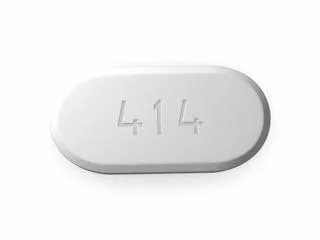
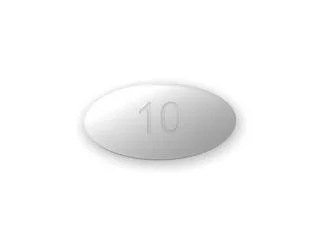
The atorvastatin tablets contain atorvastatin and are used for hypercholesterolaemia. They come in several strengths and pack sizes. Each option lists its price per tablet.
FromUS$0.43/ tabletView
Hypercholesterolaemia is the term for LDL cholesterol that stays persistently high in the blood. It is also known as high cholesterol or hyperlipidaemia. Excess LDL makes heart attack and stroke more likely, but it seldom causes symptoms, so a routine blood test often finds it first.
10 · 20 · 40 · 80mg
The atorvastatin tablets contain atorvastatin and are used for hypercholesterolaemia. They come in several strengths and pack sizes. Each option lists its price per tablet.
5 · 10 · 20mg
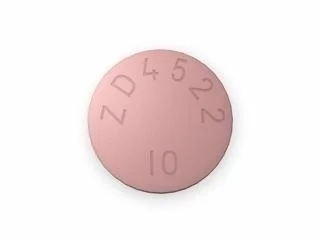
Rosuvastatin is the active ingredient in these tablets, which lower cholesterol and cardiovascular risk. They come in several strengths and pack sizes. Each option lists its price per tablet.
160 · 200mg
Fenofibrate is a tablet for hypercholesterolaemia and hypertriglyceridaemia that lowers triglycerides and raises HDL cholesterol. Multiple strengths and pack sizes are supplied. You see the price per tablet for each option.
180mg
Bempedoic acid tablets contain bempedoic acid for hypercholesterolaemia and dyslipidaemia. They come in a single strength and various pack sizes. You see the price per tablet for each option.
Cholesterol is needed by the body, but too much LDL circulating in the blood can enter artery walls and narrow them over time. A fasting lipid profile records triglycerides, HDL, LDL and total cholesterol. Inherited tendency, diet, low activity, excess weight and type 2 diabetes can all play a part. Familial hypercholesterolaemia is an inherited form that causes very high LDL from childhood and, without treatment, a much greater lifetime risk.
High cholesterol on its own does not make a person feel unwell. A heart attack can happen if plaque inside a coronary artery ruptures and a clot then blocks blood flow to the heart. A stroke can happen if plaque narrows or blocks the vessels that feed the brain, reducing or cutting off its blood supply.
Statins are the mainstay of cholesterol management. They reduce cholesterol production in the liver. Atorvastatin tablets are available in 10, 20, 40 and 80mg, and rosuvastatin tablets in 5, 10 and 20mg. Ezetimibe 10mg tablets limit cholesterol absorption from the gut; combined with a statin, using both can reduce LDL further than one alone. Fenofibrate 160 and 200mg tablets are also used in hypertriglyceridaemia, and bempedoic acid 180mg tablets in dyslipidaemia. Pharmacy partners in India ship to Malaysia in discreet packaging.
Cutting saturated fat, adding soluble fibre and choosing whole grains in place of refined carbohydrates can help. Regular aerobic activity and stopping smoking support cardiovascular health. These steps do not replace medicine for people at high risk. Because high cholesterol is silent, a lipid test is how it is found; if levels are high, discuss treatment with a doctor.
Last updated