
Ezetimibe
Ezetimibe is a cholesterol absorption inhibitor, taken as a 10 mg tablet to lower raised cholesterol in hypercholesterolaemia. It acts in the small intestine rather than in the liver, so it works by a different route from statins. It is used alongside changes to diet and lifestyle, not as a replacement for them.
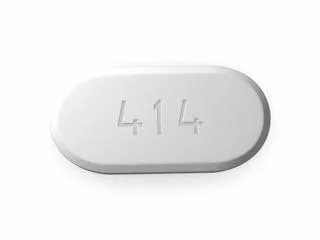
Medicine containing Ezetimibe
Key points
- Ezetimibe inhibits cholesterol absorption at the brush border of the small intestine by blocking the Niemann-Pick C1-like 1 (NPC1L1) transporter protein, which reduces the amount of cholesterol delivered to the liver.
- It is used in hypercholesterolaemia where diet and lifestyle measures alone have not brought lipids to target.
- Its effect builds over 2 to 4 weeks, and a dose lasts about 24 hours.
What ezetimibe is used for
The medicine lowers elevated cholesterol in the blood. It belongs within cholesterol management as an option for people who need more than diet and lifestyle measures alone, and it is used in hypercholesterolaemia when lipid levels stay above target despite those measures.
How it works
Ezetimibe acts at the lining of the small intestine. By blocking the NPC1L1 transporter protein there, it restricts the passage of cholesterol from the diet and from bile into the bloodstream. Less cholesterol reaches the liver, so the amount circulating each day falls. Onset takes 2 to 4 weeks.
Forms and brands
MayChemist offers Ezetimibe 10 mg tablets. The originator brands are Ezetrol and Zetia, and Roszet combines ezetimibe with rosuvastatin. Generic versions are produced as film-coated tablets for people on long-term treatment. Orders are prepared by pharmacy partners in India and shipped to Malaysia in discreet packaging.
Safety
Ezetimibe should not be used by anyone with a hypersensitivity to it, or with active liver disease. Liver function enzymes need monitoring when it is combined with a statin. Minor effects include fatigue, abdominal pain and diarrhoea; myalgia and raised liver enzymes are moderate effects worth reporting. Rhabdomyolysis and hepatitis are serious and require immediate medical attention. Ciclosporin and warfarin interact with ezetimibe. In adolescents, titration is monitored by a physician. Use in pregnancy is not recommended without specialist advice, and suitability during breastfeeding should be confirmed with a qualified clinician or pharmacist before use.
Further reading
Last updated