
Furosemide
Furosemide is a loop diuretic, a medicine that increases the amount of water and salt the kidneys remove from the body. It is used when fluid has collected in the tissues, and to bring down raised blood pressure. Tablets are the form supplied, in 40 mg and 100 mg strengths.
Medicine containing Furosemide
Key points
- Furosemide acts in the loop of Henle, where it stops sodium and chloride from being taken back into the blood, so urine output rises.
- A tablet begins to work within about an hour, and its effect lasts six to eight hours.
- Electrolyte levels, particularly potassium and magnesium, need checking while it is used, because urine output and fluid balance shift.
What furosemide is used for
Fluid that gathers in body tissues is known as oedema, and furosemide helps the body clear it. It is also used in hypertension, where removing excess fluid reduces the volume circulating in the blood vessels and eases the pressure on the heart and arteries.
How it works
The kidneys normally reclaim most of the sodium and chloride filtered through the loop of Henle. Furosemide blocks that reabsorption, so these electrolytes stay in the urine and carry water with them. The result is a large increase in urine flow and a fall in the fluid volume held in the veins and arteries. It is classed as a sulfonamide diuretic.
Forms and brands
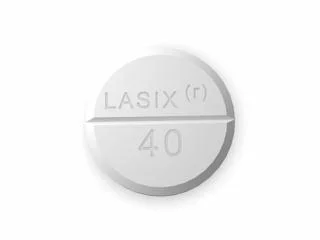
Lasix tablets contain furosemide and come in 40 mg and 100 mg strengths. Pharmacy partners in India ship orders to Malaysia in discreet packaging.
Safety
Furosemide should not be used by anyone with hypovolaemia, dehydration or anuria. Serum electrolytes need monitoring, and dehydration is a risk if fluid losses are not replaced.
Passing urine more often and feeling dizzy are common. Dehydration, low blood pressure and muscle cramps can also occur. Ototoxicity and agranulocytosis are serious effects that need immediate medical attention.
Aminoglycosides and lithium interact with furosemide. In pregnancy it is used only where the benefit outweighs the risk, and a breastfed infant should be watched for diuresis.
Further reading
Last updated