Key points
- Prostaglandin analogues are often the first choice in glaucoma because they reduce intraocular pressure effectively, suit once-daily dosing and have an acceptable safety profile.
- Latanoprost starts working within 3 to 4 hours, and its effect lasts about 24 hours.
- Iris colour can turn brown and eyelashes can grow longer, thicker and darker; these changes appear slowly and may be permanent.
How it works
Latanoprost is a prostaglandin F2a analogue. It increases the outflow of aqueous humour from the eye, and the extra drainage brings intraocular pressure down. With the pressure reduced, the optic nerve is under less strain.
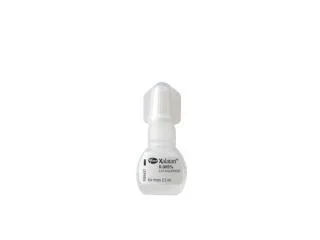
Latanoprost is an eye drop solution, supplied in a 2.5ml bottle: Latanoprost. For other eye medicines, see Eye Care. Orders are prepared by pharmacy partners in India and shipped to Malaysia in discreet packaging.
Before you use it
Do not use latanoprost if you have reacted to latanoprost or to any part of the formulation, including benzalkonium chloride, the preservative. It is not used during pregnancy. Ask a doctor before using it while breastfeeding. Take contact lenses out before each dose. Use with caution in children.
Side effects
Minor effects include eye irritation, a foreign body sensation and dry eyes. Conjunctival hyperaemia (redness), blurred vision and pigment changes on the eyelids are also reported. Macular oedema and iridocyclitis are serious and need immediate medical attention.
What the sources say
Further reading