Key points
- The normal range is roughly 10 to 21 mmHg; ocular hypertension is above it.
- Millions of people have raised eye pressure without glaucoma, so the two are counted separately.
- Latanoprost, travoprost or bimatoprost are usually tried first; timolol may be added if more reduction is needed.
Why pressure rises
The eye produces aqueous humour and clears it through the trabecular meshwork. Pressure rises when this drainage is too slow. Corneal thickness, family history, age and ethnicity can all shift this balance. Some groups have a higher prevalence of particular glaucoma subtypes, so routine pressure checks can be worthwhile for people at increased risk.
Symptoms and checks
Ocular hypertension causes neither pain nor any sight change that can be seen. Regular tonometry detects it and tracks the response to treatment.
When to seek an eye assessment
A pressure above 24 mmHg, a close relative with glaucoma, or gradual narrowing of peripheral vision should prompt an eye assessment without delay. Acting early lowers the chance of lasting sight loss.
Treatment with eye drops
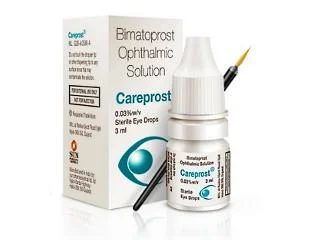
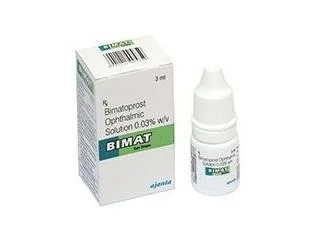
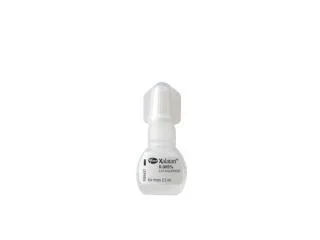
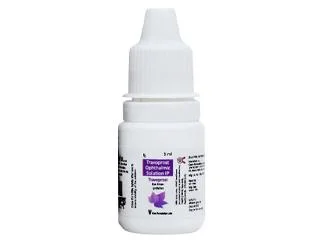
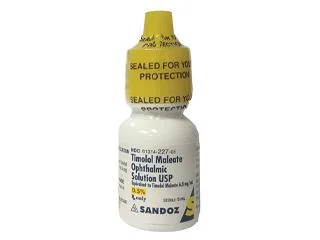
The aim is to bring pressure down to a level unlikely to damage the optic nerve. Prostaglandin analogues and prostamides improve drainage; they are effective as single medicines. Available options include Careprost + Applicators, Bimatoprost, Latanoprost, Travoprost and Timolol Eye Drops. Careprost + Applicators contains bimatoprost. Timolol Eye Drops is a beta-blocker. Ingredient pages cover bimatoprost, latanoprost, travoprost and timolol. Pharmacy partners in India ship to Malaysia in discreet packaging.
What the sources say
Further reading