Key points
- After a single dose, the elimination half-life is about 15 to 20 hours.
- The liver enzyme CYP2D6 takes part in the metabolism of paroxetine.
- A tablet contains less than 1 mmol sodium, so the label calls it essentially sodium-free.
What paroxetine is used for
Paroxetine belongs to the antidepressants group. It is used for major depressive disorder, generalised anxiety disorder and obsessive-compulsive disorder. Other descriptions include panic disorder and social anxiety, which sits within the wider anxiety pages. Treatment follows an assessment of the person’s symptoms and the effect those symptoms have on daily life.
How paroxetine works
Paroxetine inhibits the reuptake of serotonin in the brain. This increases the availability of the neurotransmitter and is understood to improve mood and emotional regulation. The onset is one to two weeks, and the effect lasts 24 hours. The action is on serotonin signalling, the mechanism that defines the SSRI class.
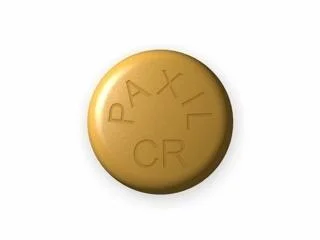
The Paroxetine product is a film-coated tablet in 10 mg, 20 mg, 30 mg and 40 mg strengths. Paroxetine is the active ingredient, and the medicine is supplied under its generic name. Pharmacy partners in India ship orders to Malaysia in discreet packaging.
Safety and interactions
Paroxetine must not be used by anyone with hypersensitivity to it or with pimozide. It should not be used in children and adolescents under 18. Use in pregnancy is only under medical supervision if the benefits outweigh the risks. Paroxetine is excreted in breast milk, so breastfeeding requires medical advice.
Nausea, drowsiness and dry mouth are minor effects. Insomnia, sexual dysfunction and weight gain are moderate effects. Serotonin syndrome and suicidal ideation are serious and need immediate medical attention. Paroxetine may impair the ability to drive, mood changes need monitoring, and it should not be stopped abruptly. Alcohol and St John’s wort are listed interactions; other medicines need checking before use.
What the sources say
- Antidepressants including paroxetine increased suicidal thinking and behaviour compared with placebo in children, adolescents and young adults in short-term studies of major depressive disorder and other psychiatric disorders. The risk must be balanced against clinical need, and patients of all ages need close monitoring for worsening, suicidality or unusual behaviour. (DailyMed)
- Paroxetine must not be combined with monoamine oxidase inhibitors, including linezolid, or with thioridazine. (DailyMed)
- A major depressive episode may be the first presentation of bipolar disorder, so screening is needed before treatment starts. (DailyMed)
- First-trimester exposure to paroxetine has been linked with a higher chance of congenital malformations, especially heart malformations, in epidemiological work. (DailyMed)
Further reading