
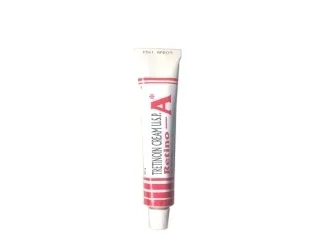
Retin-A Cream
Acne Vulgaris, Photoageing
0.025 · 0.05%
Retin-A Cream is tretinoin in a tube for acne vulgaris and photoageing. It comes in several strengths and pack sizes. Each option lists its price per tube.
FromUS$12.35/ tubeView
Tretinoin is a retinoid that is applied to the skin. Its main use is acne vulgaris, and cream formulations are also used for photoageing. It alters the way skin cells are produced and shed, which helps to keep pores from blocking.
Acne Vulgaris, Photoageing
0.025 · 0.05%
Retin-A Cream is tretinoin in a tube for acne vulgaris and photoageing. It comes in several strengths and pack sizes. Each option lists its price per tube.
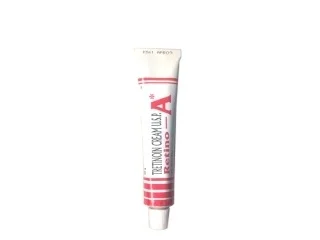
Acne Vulgaris
0.01 · 0.025%
Retin-A Gel puts tretinoin in a gel tube for acne vulgaris. You can choose from several strengths and pack sizes. Each option lists its price per tube.
Acne vulgaris is the main use; the prescribing information for RETIN-A covers topical application in the treatment of acne vulgaris. Cream forms are also used for photoageing, where the aim is to improve texture and evenness of tone over time. Both uses sit within a wider skin care routine.
Tretinoin acts on keratinisation, the process by which skin cells mature and move towards the surface. By normalising it, the medicine prevents microcomedones from forming and speeds up cell turnover, which helps clear pores that are already blocked. In photoageing, the same renewal process is thought to support collagen and soften the look of fine lines. Effects build gradually, typically over 2 to 4 weeks.
The tretinoin range covers two products: Retin-A Cream in 0.025% and 0.05% strengths, and Retin-A Gel in 0.01% and 0.025%. Both come in tubes. The cream is used for acne vulgaris and photoageing; the gel is used for acne vulgaris. Cream bases suit drier or more sensitive skin, while gels are lighter and suit oilier skin. Orders are prepared by our pharmacy partners and shipped to Malaysia in discreet packaging.
Do not use tretinoin if you are hypersensitive to it, or if you have eczema, rosacea or sunburn. It is not for use in children. Pregnancy is a contraindication because of teratogenicity risk, and caution is advised during breastfeeding. Sunlight exposure should be avoided and a sunscreen used, since photosensitivity is a known reaction. Common effects are erythema, peeling and dry skin; severe skin irritation needs immediate medical attention. Benzoyl peroxide and keratolytic agents such as salicylic acid, sulphur and resorcinol interact with tretinoin, and medicated or abrasive cleansers, strong drying products, and those high in alcohol, astringents, spices or lime should be used with caution.
Tretinoin is used for acne vulgaris and photoageing. Cream forms are used for photoageing, where the aim is to improve texture and evenness of tone over time.
Tretinoin acts on keratinisation, the process by which skin cells mature and move towards the surface. It normalises this process, prevents microcomedones from forming and speeds up cell turnover to help clear blocked pores. In photoageing, the same renewal process is thought to support collagen and soften the look of fine lines.
You'll find tretinoin in Retin-A Cream and Retin-A Gel, among others. The listing above lets you compare forms, strengths and packs.
Change is usually visible after 2 to 4 weeks. Effects keep building after that, and treatment is continuous rather than a short course.
Common effects include erythema, peeling and dry skin. Photosensitivity is a known reaction, so sunlight exposure should be avoided and a sunscreen used. Severe skin irritation needs immediate medical attention, and a doctor or pharmacist can advise if you are concerned.
Products high in alcohol should be used with caution with tretinoin. Benzoyl peroxide and keratolytic agents such as salicylic acid, sulphur and resorcinol interact with tretinoin, and medicated or abrasive cleansers and strong drying products should also be used with caution. Ask a doctor or pharmacist if you are unsure about combining treatments.
Tretinoin should not be used by people with hypersensitivity to it, eczema, rosacea or sunburn. It is not for use in children, and pregnancy is a contraindication because of teratogenicity risk. Caution is advised during breastfeeding.
In Malaysia, tretinoin is registered under brand names such as Vesanoid. Apart from what's listed here, you may also see tretinoin sold as Obagi Tretinoin, Retrieve Cream and Retino-A. Brand names change from country to country, so the active ingredient is the safest thing to compare.
Yes. Our pharmacy partners deliver to Malaysia in plain, discreet packaging. Express Tracked Courier takes up to 1 week; Standard Airmail can take up to 3 weeks.
How ordering works →Last updated