
Angina Pectoris
Angina pectoris is chest pain or discomfort caused by the heart muscle not getting enough oxygen-rich blood. It points to an underlying heart problem rather than being a disease of its own. Episodes classically follow physical effort and settle within minutes of rest.
Medicines used to treat Angina Pectoris

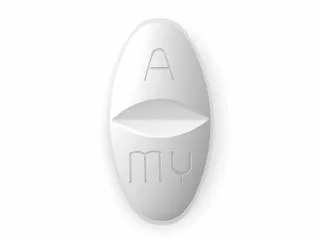
Metoprolol
25 · 50 · 100mg
Metoprolol tablets contain metoprolol, with the price shown per tablet, and come in several strengths and pack sizes. They are swallowed for hypertension and angina pectoris.

Amlodipine
2.5 · 5 · 10mg
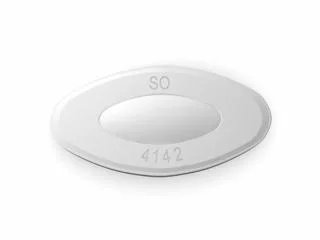
Amlodipine tablets contain amlodipine for hypertension and angina pectoris. You can choose from several strengths and pack sizes. Each option lists its price per tablet.
Key points
- The condition is classed as stable or unstable. Unstable angina arrives with little effort or at rest, lasts longer, and needs same-day medical assessment.
- Discomfort can spread beyond the chest to the shoulders, arms, neck, jaw, abdomen or back, and sometimes feels like an upset stomach.
- Some people have no chest pain at all and notice only breathlessness or unusual tiredness.
Recognising the symptoms
Most people describe a squeezing or heavy pressure in the centre of the chest. Triggers are often predictable: climbing stairs, hurrying, emotional stress or a large meal. An episode typically eases within a few minutes of stopping the activity that brought it on.
Medicines that lighten the workload
Beta-blockers slow the heart rate and lessen the force of each contraction, so the heart needs less oxygen. Propranolol (Inderal), metoprolol (Metoprolol) and carvedilol (Coreg) belong to this group. Amlodipine (Amlodipine) is a calcium channel blocker; it relaxes the muscular walls of the arteries, lowering resistance and improving blood flow. Nitrates also have a place, with a short-acting form for relief during an attack and longer-acting forms to prevent episodes. The propranolol, metoprolol, carvedilol and amlodipine ingredient pages, and the wider heart and blood pressure group, cover related options.
Orders are prepared by pharmacy partners in India and shipped to Malaysia in discreet packaging.
Day-to-day measures
Pacing matters more than avoidance. Steady, moderate activity strengthens the heart over time, while a sudden burst of effort can set an episode off. Stopping smoking, keeping blood pressure and blood sugar under control, and limiting saturated fat all work against the coronary narrowing that causes the pain.
When to get help
Chest discomfort that lasts longer than fifteen minutes, comes on at rest, feels more severe than usual, or arrives with sweating, nausea or breathlessness may be a heart attack rather than an episode of stable angina. Emergency care should be sought straight away.
What the sources say
- Angina is not a disease in itself (American Heart Association).
- It tends to appear with physical activity and improve quickly once you rest (American Heart Association).
- Treatment can both relieve the pain and lower the risk of a heart attack (American Heart Association).
Further reading
Last updated