
Carvedilol
Carvedilol is a beta-blocker used for high blood pressure, heart failure and angina pectoris. It is also used to improve survival after a heart attack. It comes as a tablet taken by mouth.
Medicine containing Carvedilol
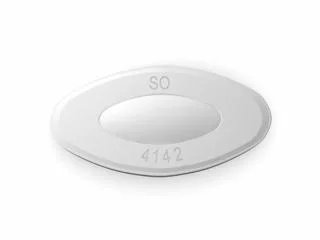
Key points
- Effects begin within 1 to 2 hours and last 12 to 24 hours.
- Tablets come in strengths of 3.125 mg, 6.25 mg, 12.5 mg and 25 mg.
- It is not recommended for children.
What it is used for
Carvedilol treats hypertension, heart failure and angina pectoris. In heart failure the heart cannot pump enough blood to all parts of the body. After a heart attack, carvedilol is used to improve survival.
How it works
Carvedilol blocks beta receptors without selectivity and blocks alpha-1 receptors too. Beta blockade lowers the heart rate and reduces cardiac output. Alpha-1 blockade widens blood vessels. The two actions together bring blood pressure down and lessen the workload on the heart.
Forms and brands
Carvedilol is made as a tablet. Coreg tablets are taken for hypertension, heart failure and angina pectoris. Pharmacy partners in India ship to Malaysia in discreet packaging.
Who should not take it
Carvedilol is contraindicated in asthma, second- or third-degree heart block, severe bradycardia and cardiogenic shock. Tell your doctor about any breathing problems, a slow or irregular heartbeat, heart failure or liver disease, as you may be advised not to take it. Use in pregnancy only if the benefit outweighs the risk, and avoid it during breastfeeding. Peripheral vascular disease needs caution.
Side effects and interactions
Common effects include fatigue, headache and bradycardia, with hypotension, peripheral oedema, nausea and weight gain also possible. Heart block, worsening heart failure and bronchospasm require immediate medical attention. Do not stop treatment abruptly; talk to your doctor first. Blood glucose levels need monitoring in diabetes. Calcium channel blockers, diabetes medicines, digoxin and St John’s Wort can interact with carvedilol.
What the sources say
- Carvedilol may cause dizziness, lightheadedness and fainting when you get up quickly from lying down, and this is more likely at the start of treatment (MedlinePlus).
- It can raise the risk of low blood sugar and mask the warning signs that blood sugar has fallen (MedlinePlus).
- Allergic reactions may be worse while taking it and may not respond to the usual doses of injectable epinephrine (MedlinePlus).
Further reading
Last updated